
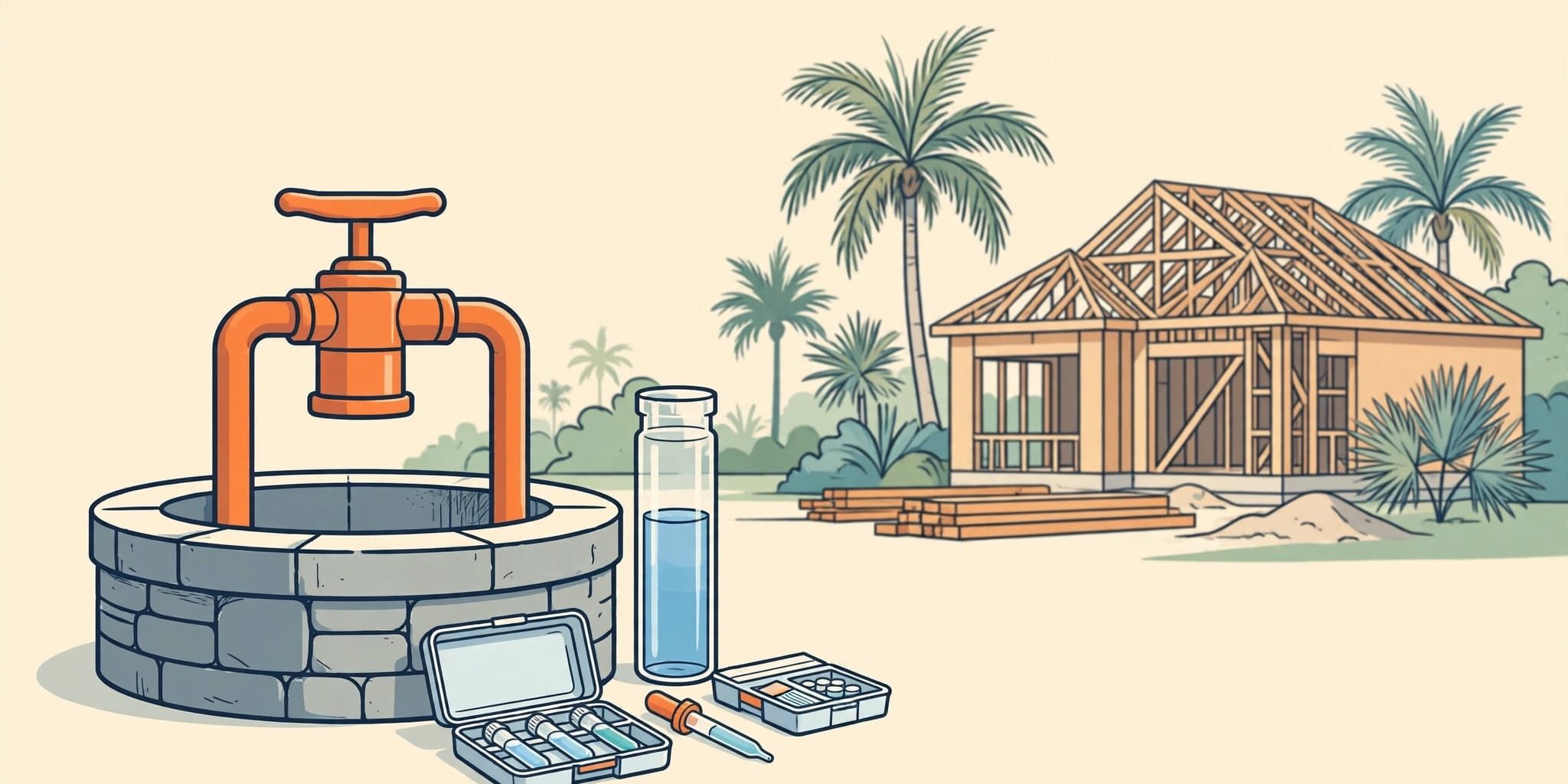
A lot can look ready for a home while its drinking water remains an open question. Florida well water testing gives you answers before you commit to a well location, construction budget, or closing date. Check whether public water systems serve the address. Confirm options with the municipal water system or plan for private well water.
State rules are only part of the picture. Your county, your lender, and the conditions around the property can change what you need to test. We recommend sorting out those details early, while there’s still room to adjust the plan.
Key Takeaways
- Florida doesn’t require routine testing of every private well or a water test for every home sale. Some counties have rules for new or repaired wells.
- The Florida Department of Health recommends annual tests for coliform bacteria and nitrate, plus lead testing every three years.
- A lender may require a water-quality report for a home served by a private well. Get its exact instructions before ordering tests.
- Use certified laboratories, confirming their certification covers the tests you need, and follow their sampling directions.
- If you’re building, review the proposed well alongside the home, septic system, drainage, and utility plan.
Put Water Testing on the Site-Planning List
First, find out whether the parcel can connect to a municipal water system or needs a private well. A water line near the street doesn’t establish service eligibility at your address. Confirm availability with the utility that manages public water systems before treating a well as optional.
If there’s an existing well, ask for its permit records, construction details, and recent water quality testing results. Those records help you assess what’s there, but they don’t tell you what water from a future well will contain.
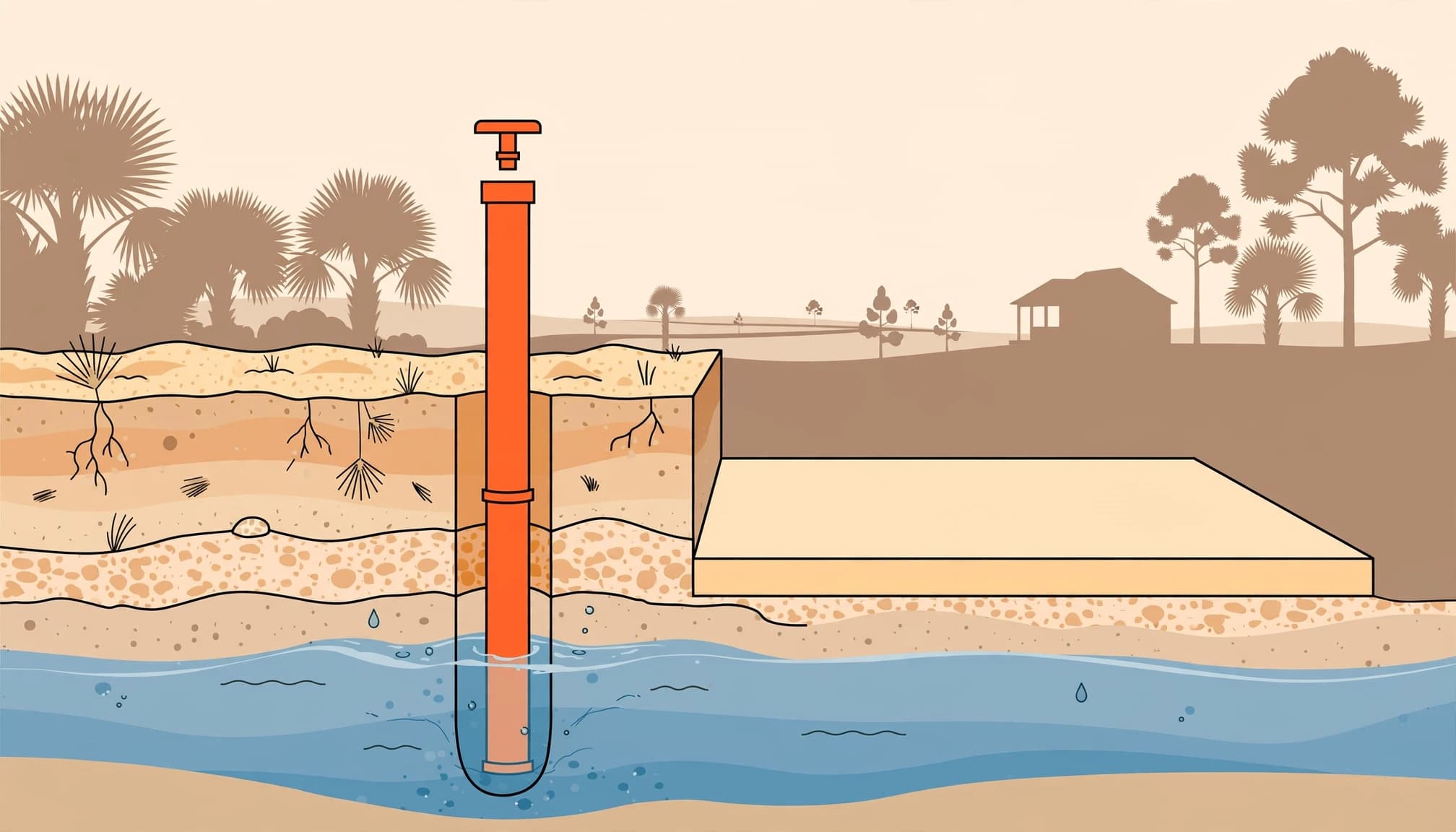
A survey and site plan belong in the same conversation. They show where the home, driveway, septic system, drainage features, and well may fit. Soil and groundwater information can affect foundation work, but a foundation soil report doesn’t replace a drinking-water test. We’d rather settle both questions before the site-work price is fixed.
Florida Well Water Testing Rules Before Construction
State Recommendations Versus Requirements
Florida has no statewide requirement to test private wells routinely or whenever a home is sold. Still, testing matters. The Florida Department of Health’s private well guidance recommends checking for coliform bacteria and nitrate at least once a year, and lead every three years.
New construction raises a separate question: what must happen before a new well can supply the home? Ask the county health department and well contractor about local testing requirements for your parcel. Statewide homeowner recommendations aren’t the same as local approval rules.
County Rules Can Change the Plan
Florida identifies local testing rules for newly constructed or repaired wells in Brevard, Broward, Citrus, Duval, Flagler, Highlands, Hillsborough, Osceola, Palm Beach, Pinellas, Sarasota, and Volusia counties. Details depend on the county and the work involved.
That distinction matters for Southwest Florida projects. A lot in Highlands County may face a local rule that doesn’t apply to a lot in Lee or Charlotte County. Check with local officials, then confirm any city or permitting requirements.
Choose Tests That Fit the Property
Start With Bacteria, Nitrate, and Lead
Coliform testing checks for signs that coliform bacteria may be entering the well. If total coliform is found, the lab’s report may include or prompt follow-up testing for E. coli bacteria. Nitrate levels deserve regular attention, especially where fertilizer, septic systems, or agricultural activity could affect groundwater.
Lead is different. It can enter water through plumbing fixtures rather than the aquifer alone. That’s one reason a sample from an unfinished well system may not answer every question about water at the completed kitchen tap. UF/IFAS guidance on private well bacteria offers useful background on contamination and the value of accredited testing.
Add Tests for Known Site Risks
A basic panel can miss a problem tied to the parcel’s history. Tell the laboratory and local public-health office what surrounds the property before choosing extra tests.
| Property Condition | Tests to Discuss |
|---|---|
| Nearby farming or heavy fertilizer use | Nitrate levels and pesticides or other agricultural chemicals tied to local land use |
| Gas station, fuel storage, or suspected spill nearby | Volatile organic compounds or other chemicals tied to the site |
| Older plumbing or planned plumbing changes | Lead and pH, with sampling instructions that account for plumbing fixtures or planned changes |
| Staining, metallic taste, or sediment | Iron, manganese, pH, total dissolved solids, or other tests the lab recommends |
These are prompts for a site-specific testing plan, not proof that a contaminant is present. We’d also check available well and environmental records before buying a parcel with a known contamination concern.
Find the Right Laboratory Before You Collect a Sample
Match Certification to the Test
Choose a NELAP certified laboratory for the specific drinking water tests you’re ordering. Florida residents can use the Florida Department of Environmental Protection’s directory of certified laboratories; UF/IFAS also points well owners toward accredited laboratories. The Florida Department of Health’s Bureau of Public Health Laboratories offers well-water testing services as well.
Ask the lab whether it accepts samples from private owners and provides bottles, and whether your lender requires a particular collector or report format. Certification alone won’t fix a sample collected in the wrong container.
Schedule Around the Lab’s Deadline
When arranging well water sampling, remember that bacteria samples have tight handling and delivery requirements. Before you drive out to the lot, confirm the lab’s hours, which days it accepts samples, bottle requirements, temperature instructions, and latest delivery time. Ask how to record the collection time and well location.
For a new well, coordinate sampling with the well contractor after installation and any required development or disinfection. For an existing well, find out whether treatment equipment is in place. The sampling point may differ depending on whether you’re checking raw well water or water people will drink.
Collect and Deliver a Water Sample Correctly
Correct water sample collection helps ensure the result is useful and protects your time and budget. If bacteria enter the bottle during collection, a failed result may tell you more about the sampling mistake than the well.
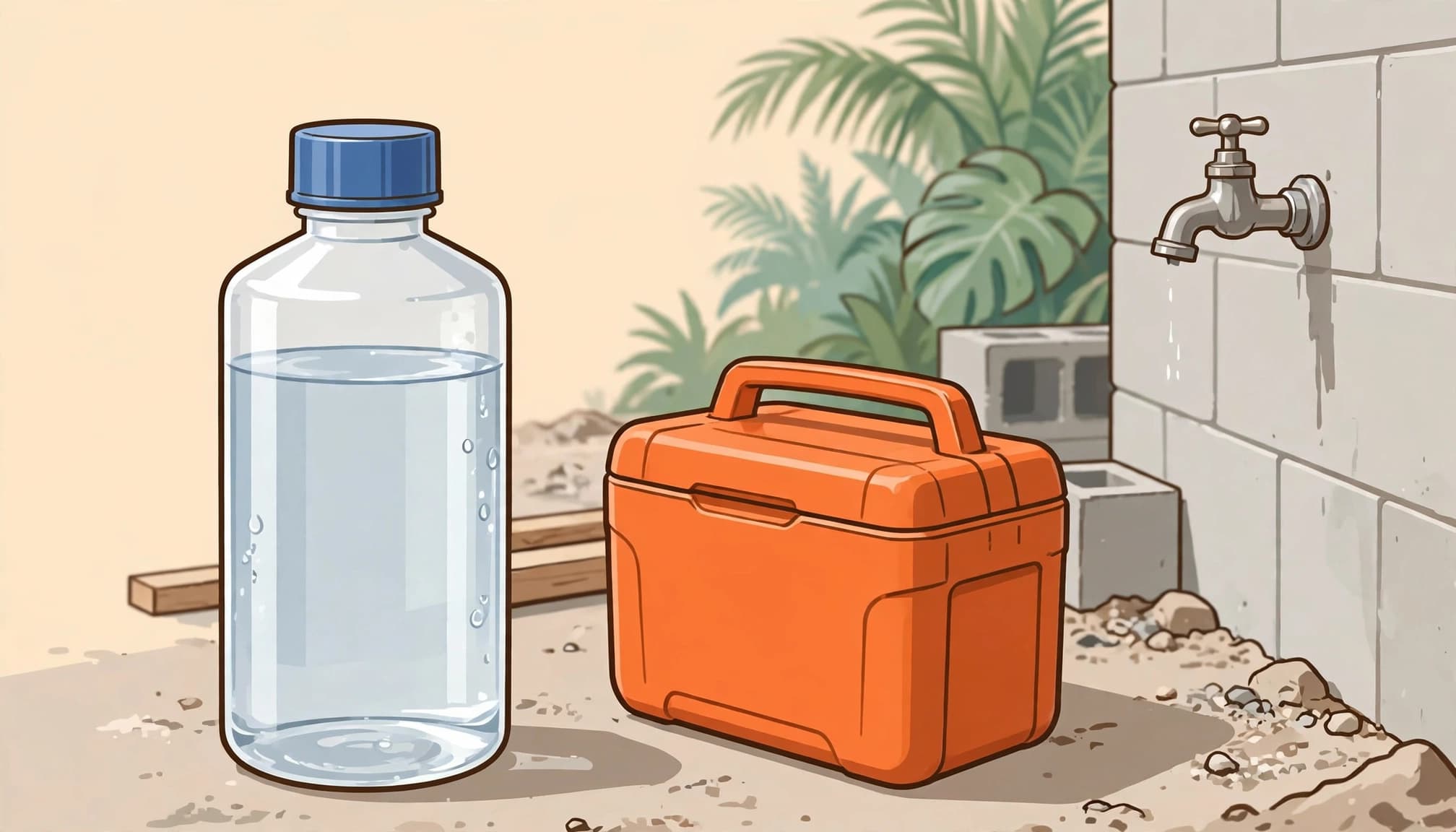
Follow the lab’s instructions first. For a typical bacteriological sample, the process may look like this:
- Collect the lab’s sterile bottle and confirm the approved sampling tap. Don’t substitute a household container.
- Prepare the tap as instructed. The lab may tell you to remove the aerator, clean the outlet, and run the water before sampling.
- Open the bottle only when you’re ready. Keep fingers away from the inside of the cap and bottle rim.
- Fill to the marked level without rinsing the bottle. Some containers contain a preservative that must stay inside.
- Record the required details, place the bottle in the cooler as directed, and deliver it within the lab’s deadline.
Different tests can call for different collection methods. A flushed sample used for bacteria isn’t necessarily the right sample for evaluating lead from household plumbing. Chemical tests may use different bottles or preservatives, too. If a lender requires an independent sampler or chain-of-custody record, arrange that before anyone opens a bottle.
Use the Results to Make the Next Decision
Respond to Bacteria and Nitrate Findings
A positive coliform result needs follow-up, not a guess about which filter to buy. Contact the lab or county health department about confirmation testing, well inspection, and any needed corrective work. If E. coli bacteria are found, treat the result as an urgent drinking-water concern and follow health department advice.
Elevated nitrate calls for a review of the result, the well, and the likely source. Boiling water doesn’t remove nitrate. Until you know the appropriate next step, ask the health department for guidance on safe drinking water, particularly if infants or pregnant people may use the supply.
Match Treatment to the Actual Problem
Iron staining, lead, bacteria, and fuel-related chemicals call for different solutions. An elevated total dissolved solids reading is a broad indicator, not a diagnosis of a specific contaminant. We recommend getting the lab result in writing, then asking a qualified water professional what water treatment equipment or well repairs address that result. Test again after corrective work to confirm the water meets the applicable health or lender standard.
A passing test from an existing well doesn’t certify a new well drilled elsewhere on the lot.
Keep the report with the well records and home documents. Future owners and tenants will need to know which well was sampled, when it was sampled, and whether treatment was in place.
Check Loan and Closing Requirements Early
Ask the Lender for Its Exact Panel
A Florida home sale doesn’t automatically trigger a state-required private well test. Financing can still make water testing a closing condition. FHA, VA, USDA, and conventional lenders may review private water supplies differently. Requirements can depend on local rules and the property.
Before ordering loan water testing, get the lender’s written instructions on the required panel, timing, sampler, and report. Common lender requests may include bacteria, nitrate, nitrite, or lead, but there isn’t one test list to assume for every loan. HUD’s individual water system guidance ties testing, when required, to local authority requirements. Confirm the current conditions with your lender. A VA well-testing overview also explains why buyers should verify the required panel rather than guess.
Keep Approval and Construction Records Together
For a new home, ask who orders the test, pays the lab, receives the results, and handles a failed sample. Put those responsibilities in writing before they affect the schedule. Keep well permits, lab reports, treatment records, and any county clearance with the closing file.
If you’re buying a lot before building, allow enough time for water, septic, survey, flood, and drainage review. A low lot price can lose its appeal when essential site work appears after closing.
Know What Florida’s Well Surveillance Program Does
Florida’s Well Surveillance Program investigates drinking-water wells near known or suspected human-caused contamination. Local public health staff may sample wells identified through this work, with program support for the investigation.
It isn’t a substitute for routine homeowner testing, and it doesn’t mean every private well will be sampled. If you know of a nearby source of water contamination, hazardous chemicals, or agricultural chemicals, contact the county health department. Ask whether your parcel is part of an investigation and what additional testing makes sense.
Frequently Asked Questions
Can You Test a Lot Before a Well Is Drilled?
You can review nearby records and environmental conditions, but you can’t collect a water sample from a well that doesn’t exist. Test the new well after installation, following the county’s and laboratory’s directions. Results from a neighbor’s well aren’t a substitute.
How Often Should You Test Once the Home Is Occupied?
The Florida Department of Health recommends annual testing for coliform bacteria and nitrate, plus lead testing every three years. Test again after flooding, well repairs, a change in taste or odor, or another event that raises concern. Ask the health department which tests fit the situation.
What Should Renters Ask for?
If your rental uses a private well, ask the owner for recent lab results and information about treatment equipment. Confirm when the water was last tested and who maintains the system. If you have a health concern or the water changes, contact the owner and local public-health officials.
Build With the Water Question Answered
A home site deserves more than a quick look at the ground. Reliable water information starts with the right local questions, the right lab tests, and a sample collected at the right time.
We recommend settling well responsibilities alongside the survey, septic plan, and site-work budget. If you’re planning a home in Lee, Charlotte, or Highlands County, speak with our team about your home-building plans before those decisions become expensive changes.