

A new construction home can be priced within your budget and still appraise for less than you expect. For Florida construction buyers, that difference can change the loan amount and the cash needed to close.
A Florida new construction appraisal is ordered by the lender to obtain an independent opinion of the property’s value, often before the home is finished. The appraiser, not the builder, develops that opinion based on the lot, plans, site conditions, and recent sales. We recommend understanding what the appraiser will review before you commit to a price or finalize your financing.
What a Florida New Construction Appraisal Measures
An appraisal answers a different question from a builder’s estimate. A builder estimates what it will cost to deliver the home, while an appraiser estimates the property’s real property value in the market under the conditions stated in the report.
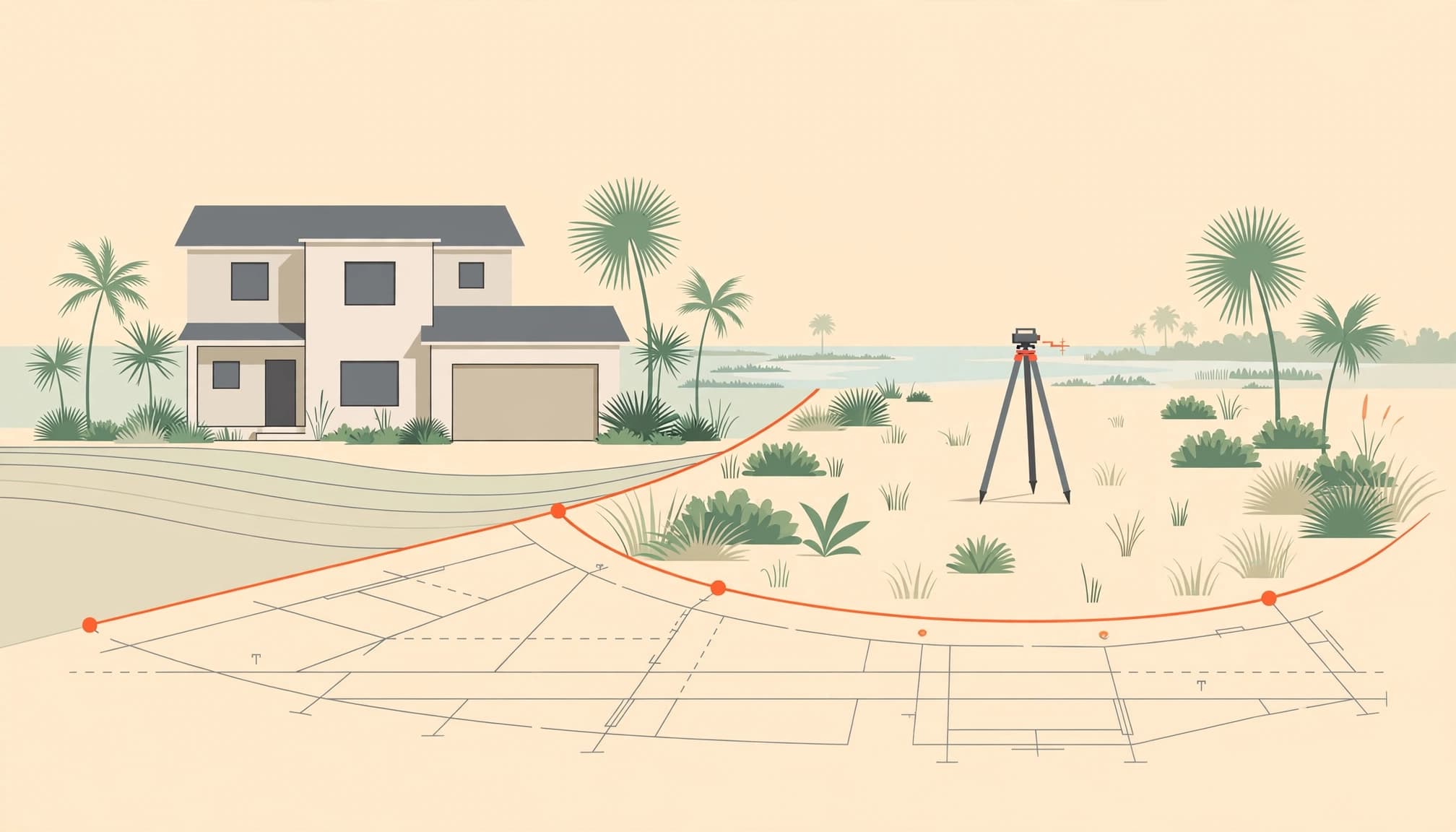
Current Lot Value and Finished-Home Value
If you own a vacant lot and plan a custom build, your lender may need to understand both its current value and the proposed home’s as-completed value. Those figures serve different purposes. The land is what exists today; the finished-home opinion assumes the approved project is built as described.
A lot’s purchase price isn’t always its current market value, which is why land value estimation considers more than the original cost. Access, utilities, easements, drainage, and whether the planned home fits the parcel can affect the analysis. Keep the land survey and site documents close at hand.
Value Based on the Actual Plans
For proposed construction, Fannie Mae’s completion guidance allows an appraisal based on plans and specifications or an existing model home. The appraiser needs a clear picture of what will be delivered.
That means the floor area, layout, finishes, garage, and site improvements should match the signed agreement for the new construction home. If you upgrade a kitchen or change the floorplan after the appraisal, ask your lender whether the report needs review. A change order doesn’t automatically raise the appraised value.
How Appraisers Weigh Homes, Lots, and Upgrades
New homes don’t always have identical nearby sales. A comparison-based valuation uses relevant local sales to support the appraiser’s opinion of value. When completed homes are scarce or builders offer different packages, that comparison-based valuation becomes more challenging.
Comparable Sales and Lot Differences
A similar new construction home sold nearby may be useful, but its lot could be smaller, inland, or connected to different utilities. A canal lot in Cape Coral, for example, shouldn’t be treated as identical to a standard interior lot solely because the houses have similar square footage.
Appraisers consider differences supported by market evidence. A premium paid for a lot or an upgrade doesn’t guarantee an equal increase in value. Ask for an itemized price so you can see what you’re paying for the house, land, options, and site work.
Construction Cost Versus Market Value
An appraiser may consider the cost of building the proposed home as part of the analysis. Cost is useful context, especially when comparable new homes are limited. It still isn’t a promise that buyers in that market will pay the full amount.
We advise buyers to separate must-have features from choices made mainly for personal taste. A durable roof or practical floorplan may support broad appeal. A highly customized finish might cost more than it adds to the appraisal.
Documents to Prepare Before the Lender Orders an Appraisal
An organized file helps the appraiser describe the right new construction home and supports appraisal underwriting by showing that the project being financed matches the contract. Requirements vary by lender and loan program, so ask for a written list early, even if you’re using a preferred lender.
Plans, Contract, and Property Records
For a construction loan, your lender may ask for the signed builder contract, plans, specifications, selections, and a construction budget or price breakdown. For a custom build, the file may also need a survey or plot plan, land ownership details, permit information, and the construction schedule.
Freddie Mac’s guidance for unfinished or proposed construction identifies plans, a survey or plot plan, current property photos, and an executed sales contract with addenda as appraisal-file items. Your lender can tell you which documents apply to your transaction.
Timing and Final Verification
Confirm during loan origination when the appraisal will be ordered, who pays for it, and what happens if construction changes. An appraisal provides a value opinion, not a construction inspection. For certain single-closing construction-to-permanent loans, Fannie Mae’s conversion requirements say the appraisal’s effective date must be no more than four months before the note date. That rule isn’t a universal deadline for every loan.
Before permanent financing is finalized, the lender may separately require inspections or evidence that the work was completed as proposed. Plan for final documents and the certificate of occupancy rather than assuming the original appraisal ends the review.
Coastal Lots, Flood Zones, and Elevation
In Southwest Florida, the site can change both the construction budget and the information an appraiser needs. A low-priced lot may require more foundation work, grading, or drainage than you first expected.
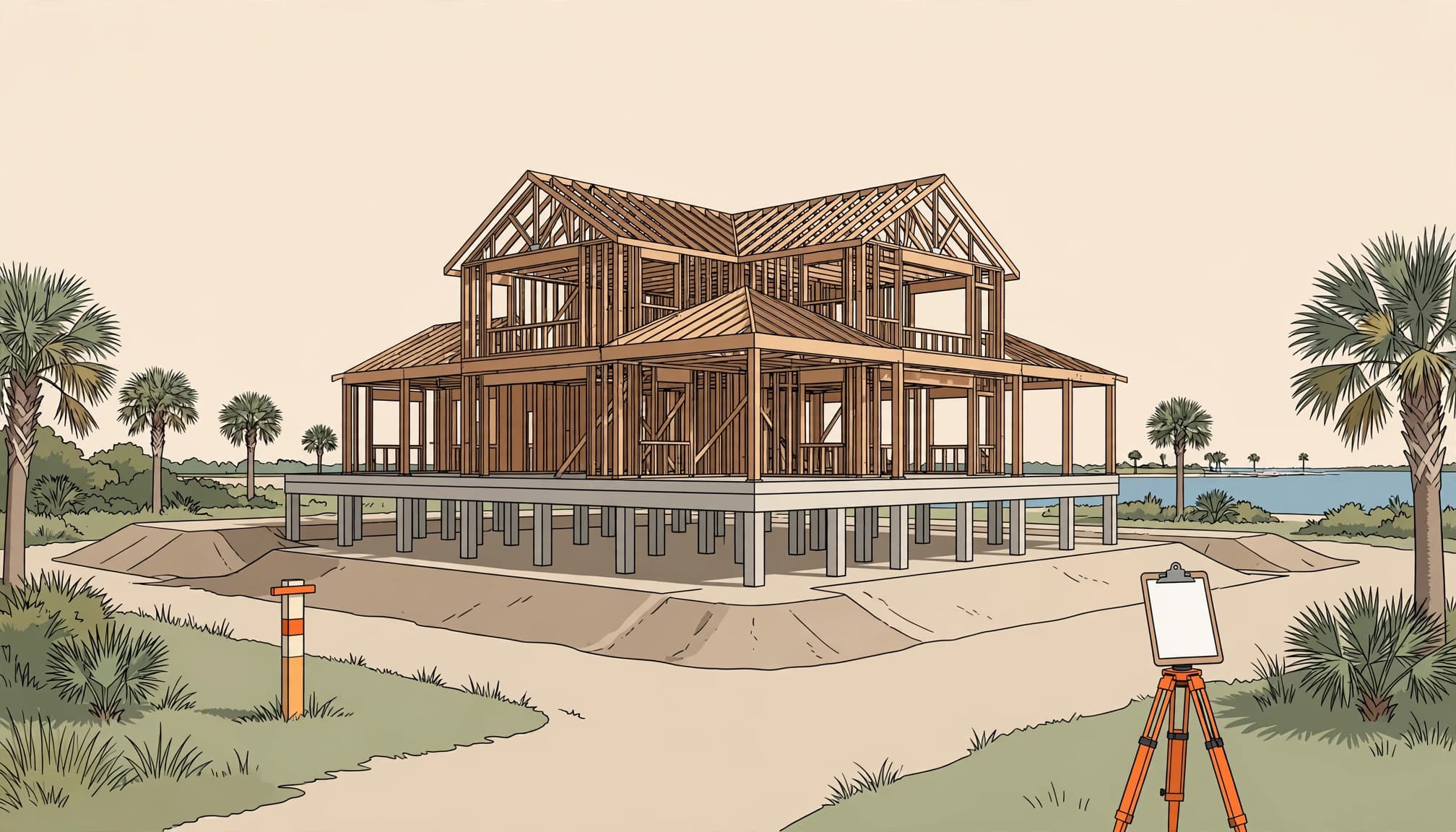
Check the Parcel, Not a Nearby Address
Start with the exact parcel in the FEMA Flood Map Service Center. Then confirm the effective map, Base Flood Elevation when applicable, and local requirements with the building or floodplain office. A neighboring home may have been built under older rules.
Local freeboard can require a design elevation above FEMA’s baseline. Ask your surveyor and design team to confirm the survey datum, proposed floor elevation, foundation type, and utility placement before the foundation price is settled. We’d also ask when an Elevation Certificate must be submitted.
Keep Compliance and Value Separate
A flood zone designation doesn’t produce an automatic appraisal discount. Likewise, spending more on an elevated foundation doesn’t guarantee a matching increase in value. The appraiser considers the finished property and the available market evidence.
Coastal buyers should request insurance quotes early. Elevation, construction details, coverage, and deductible choices can all affect the premium. Keep the land survey, permits, Elevation Certificates, and written local decisions together; they can help with lending, insurance, and a future sale.
What Happens When the Appraisal Comes in Low
A low appraisal deserves a careful review, not an immediate change to your building plans. Ask your lender for the report and check that it describes the correct lot, square footage, garage, upgrades, and proposed site improvements.
The Loan-to-Value Effect
Construction loan calculations and lender policies can vary. Many purchase loans use the lower of the purchase price or appraised value to calculate loan-to-value, but this isn’t universal. Suppose a completed home costs $400,000 but appraises for $380,000. At an 80% loan-to-value limit based on the appraisal, the maximum loan would be $304,000.
That’s $16,000 less than 80% of the contract price. If the $400,000 price stays in place, you may need more cash than planned. Ask the lender to show your revised loan amount and cash-to-close figure. Land equity may help with some custom-build loans, but the lender determines how it counts.
Practical Ways to Resolve a Gap
If the report omits a signed upgrade or uses an incorrect lot description, ask your lender about a reconsideration of value. Provide documents or relevant sales through the lender’s process. The appraiser, not the builder or buyer, is responsible for the value opinion.
Other options may include renegotiating the price, changing the financed scope when allowed, or adding cash. Each choice affects your budget differently. Keep financing and appraisal conditions in mind before signing a contract that limits your options.
How Construction Draws Fit Into the Picture
A custom home construction loan often releases funds in stages called construction draws. Rather than paying the full amount upfront, the lender verifies progress before releasing each scheduled payment. The schedule should match the builder contract, agreed work, and payment terms. Ask who manages the draws and verifies progress, including whether your preferred lender handles them.
Ask what documentation the builder must provide and when you approve each draw. Discuss change orders too. An added expense may require your own funds if the lender won’t increase the approved loan.
On a coastal lot, elevation work can affect the early stages. Confirm when foundation surveys, Elevation Certificates, and local inspections are due. Appraisal timing and any completion check depend on the lender and loan structure. A missed checkpoint can delay the next payment or the work that follows.
A new construction home may follow a different path: the builder finances construction, then you obtain permanent financing near completion. If your home is still being built, confirm the timing of permanent financing and any lender-required completion check. Unlike a custom-build construction loan, a builder-owned home in standing inventory may be purchased with a standard mortgage, so ask which arrangement applies before comparing loan fees or closing dates.
Builder Credits and Preferred Lenders
A closing-cost credit can make a new home more affordable at closing. It can also make two loan offers harder to compare. Builders may tie a credit to using a preferred lender or title company, so request the full terms in writing.
Compare the Whole Loan Offer
Get a Loan Estimate from the preferred lender and at least one other lender using the same price, down payment, and loan type. Compare both Loan Estimates for the rate, points, lender fees, mortgage insurance, owner’s title insurance, rate-lock terms, monthly payment, and cash needed to close.
A $10,000 credit isn’t necessarily the better deal if the loan carries higher costs over the years you expect to keep it. Ask whether the credit changes if you don’t use the preferred lender, and make sure any agreed credit appears in the purchase documents.
Confirm How the Credit Can Be Used
Lenders and loan programs limit which costs a seller or builder can cover. A credit generally can’t be treated as a substitute for an appraisal-supported value or unrestricted cash toward your down payment. Ask the lender to show exactly where it appears on the closing figures.
A builder may have a business relationship with a preferred lender. The CFPB’s affiliated-business rules set conditions for those arrangements. Review the disclosures and compare your choices rather than assuming the referral is your only option.
Check Florida Closing Costs Before You Commit
The appraisal fee is only one line in a new-home closing budget. Buyers commonly plan for lender charges, prepaid insurance, tax escrows, and recording-related costs. The exact allocation depends on the contract, loan, and location.
Florida charges documentary stamp tax on certain documents, including deeds and mortgages. Check your contract and local practice to confirm who pays documentary stamp tax; the owner’s title insurance premium may also vary. Have the title company itemize documentary stamp tax and other applicable charges on your draft settlement figures.
For a newly built home, ask your lender how it estimates future property taxes. A tax bill for vacant land may be far below the bill after the completed home is assessed. We want your monthly budget to work after closing, not only on closing day.
Key Takeaways
- A Florida new construction appraisal values the property described in the plans, not every dollar spent building it.
- Accurate plans, signed selections, survey details, and site requirements give the lender a clearer file.
- Check flood and elevation requirements before pricing a coastal foundation.
- If value comes in low, get the lender’s revised cash-to-close figure before deciding what to change.
- Compare builder credits alongside the complete loan terms.
Frequently Asked Questions
Can an Appraiser Value a Home That Hasn’t Been Built?
Yes. A proposed or under-construction home can be appraised from its plans and specifications for an as-completed value. A completed home is appraised in its finished condition. Depending on lender requirements, a separate completion check or inspection may be required. An appraisal estimates value, it doesn’t assess workmanship or code compliance.
Does a Higher Builder Price Mean a Higher Appraisal?
No. The contract tells the appraiser what you’re paying, but the value opinion must be supported. Lot differences, comparable sales, and the home’s finished features matter. An incentive or expensive option doesn’t automatically add its full cost to the value.
Is a Renovation Loan the Same as a Ground-Up Construction Loan?
No. A renovation loan starts with an existing structure and a proposed scope of improvements. A ground-up loan finances a new home on a lot, often with construction draws and a later move to permanent financing. Ask lenders which product fits the property and who manages the draw process.
Build With a Clearer Number
A home that looks affordable on the contract should also work with the appraisal, loan, insurance, and site budget. Clear documents and early questions give you more time to address a gap before closing.
If you’re planning a home in Lee, Charlotte, or Highlands County, talk with Nathan’s Homes about your construction plans. We can discuss the scope and budget so you know what to bring to your lender.