

An affordable new home needs an insurance policy that still fits your budget after closing. When comparing Florida home insurance, look beyond the annual premium to coverage limits, deductibles, exclusions, and carrier requirements.
We recommend getting quotes early for the exact property, rather than relying on a statewide estimate or a neighbor’s payment.
A new roof and modern construction can strengthen an insurance application, but location and documentation still matter. Start with the costs you’ll carry, then compare the protection behind each quote.
Key Takeaways
- Compare policies using the same replacement-cost estimate, coverage limits, and deductibles so price differences are meaningful.
- Confirm wind coverage and price flood insurance separately, even when your lender doesn’t require flood protection.
- Collect construction records, verify discounts, and get the policy approved before closing. Keep enough savings to cover your deductible after a storm.
Build Florida Home Insurance Into the Full Budget
We want buyers to feel confident about the complete payment. Include homeowners insurance, separate flood coverage when needed, property taxes, principal, interest, and any HOA fees.
For new construction, don’t use the vacant lot’s tax bill as your long-term estimate. The completed home’s assessment can change your escrow payment.
Use Average Insurance Rates as a Starting Point
A 2026 Florida insurance rate overview reports an average annual premium of $3,736 for the admitted private market. That figure excludes Citizens and surplus-lines insurers. Statewide insurance rates are a benchmark, not a quote for your address.
Insurance premiums can vary with exposure in coastal areas, rebuilding costs, roof details, claims history, and coverage choices. Bedroom count alone doesn’t determine the price.
Compare the Actual Address
Hurricane losses, reinsurance costs, carrier pullouts, and costly claim disputes have contributed to Florida’s property insurance crisis. Some industry participants characterize certain litigation practices as legal system abuse.
Extreme weather, natural disasters, and climate change shape the broader risk environment, but don’t determine an individual home’s price or coverage. Inland properties in Orlando or Gainesville still face storm risk.
Buyers in Lee, Charlotte, and Highlands counties should compare address-specific quotes. Neither a county nor an inland location guarantees savings.
We recommend sending the insurance estimate to your lender early. It can affect qualification, cash needed at closing, and the monthly payment.
Compare Coverage Before Comparing Price
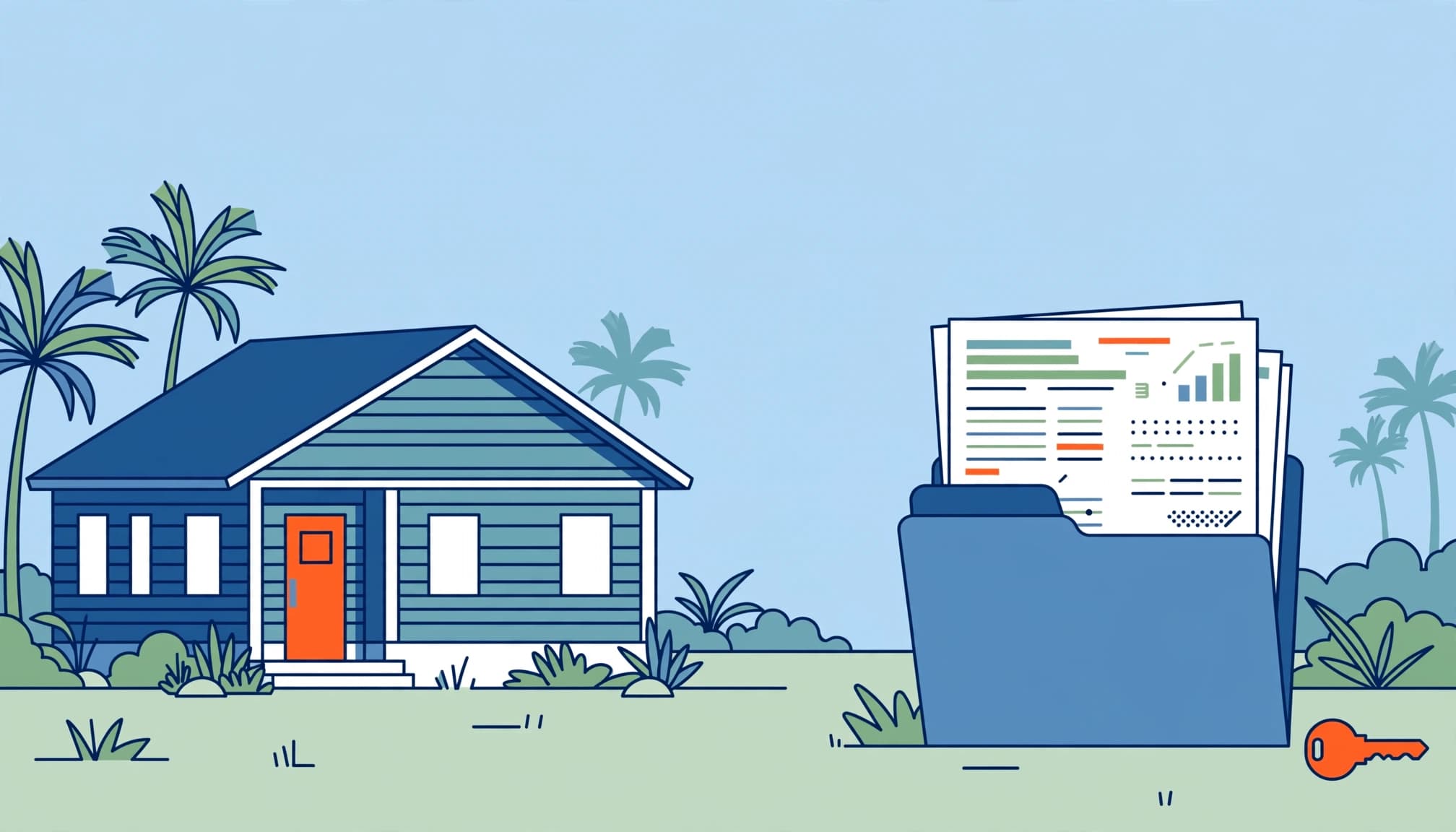
When comparing Florida home insurance, remember that a lower premium can reflect lower limits or fewer protections. We recommend requesting a written summary of insurance coverage for every quote.
Check Replacement Cost and Everyday Protection
Dwelling coverage should reflect the estimated replacement cost, not the sales price or mortgage balance. Land value doesn’t belong in that rebuilding calculation.
Ask whether extended replacement cost coverage is available and what conditions apply. Confirm how the policy pays for roof damage, since replacement cost and actual cash value can produce different claim payments.
Review personal property, detached structures, loss of use, liability, and medical payments. Loss-of-use coverage may help pay additional living expenses after a covered loss makes your home uninhabitable.
A builder warranty doesn’t replace homeowners insurance. Construction defects, routine maintenance, and storm damage involve different protections.
Separate Wind Damage From Flood Damage
Confirm that the quote includes windstorm coverage for extreme weather. Some properties need a separate wind policy, and hurricane losses may carry a separate deductible.
Standard homeowners insurance generally excludes flood damage, including storm surge. Many properties in Special Flood Hazard Areas require flood insurance when financed through federally regulated or insured lenders.
Outside those areas, flood coverage may still be worthwhile. Ask about the parcel’s elevation, drainage, nearby water, and coverage options.
A new home’s code compliance doesn’t eliminate flooding risk. Your agent should price the actual building and coverage limits, rather than rely on the flood-zone label alone.
Understand Deductibles Before Choosing a Premium
A deductible is part of your ownership budget. Compare the amount you could owe after a loss, not just the percentage on the quote.
A percentage-based hurricane deductible is calculated from the dwelling coverage limit, not the repair bill. For a policy with $300,000 in dwelling coverage, the amounts could be:
| Hurricane deductible | Dollar Amount |
|---|---|
| 2% | $6,000 |
| 5% | $15,000 |
The higher option puts substantially more cash at risk. Ask your agent how much you’d save on the premium before accepting that trade-off.
Also compare the all-other-perils amount and review any separate roof, wind, or water-damage amounts listed in the policy.
An out-of-pocket amount that satisfies your lender can still exceed the savings you have available after closing.
Ask how the hurricane deductible applies if multiple hurricanes cause damage during the same calendar year. Check the policy language rather than assuming each event works the same way.
We encourage buyers to keep their out-of-pocket reserve separate from moving expenses, upgrades, and routine maintenance funds.
Document the New Home for Insurance Credits
New construction offers an opportunity to gather records while plans, products, and inspection details are easy to access. We recommend keeping them together before closing.
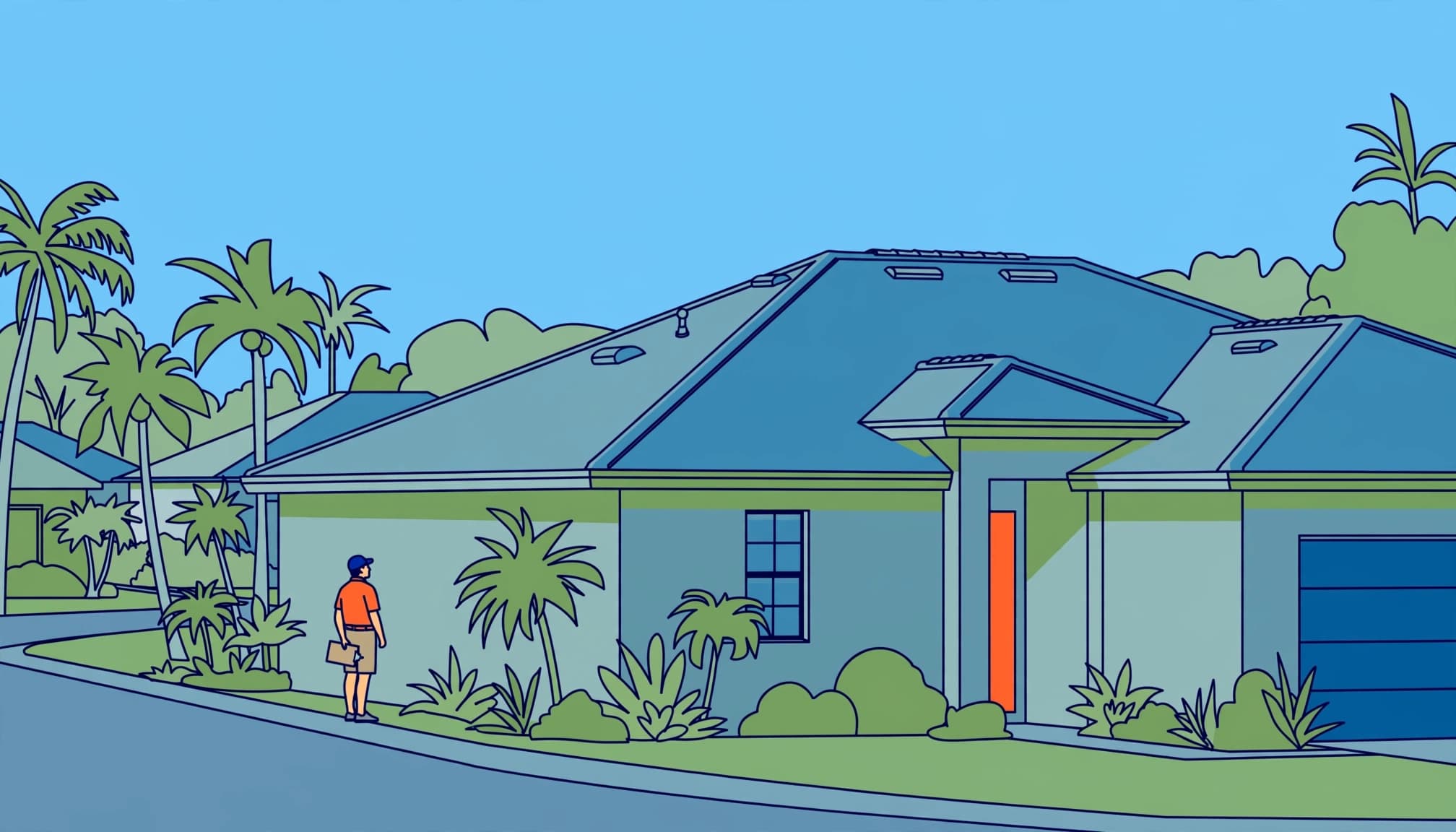
Understand Wind Mitigation Documentation
A wind mitigation inspection documents features that may reduce wind damage. These include roof shape, roof-deck attachment, roof-to-wall connections, secondary water resistance, and opening protection.
The Florida Office of Insurance Regulation explains how hurricane mitigation discounts relate to documented protective features.
Florida updated its wind mitigation form effective April 1, 2026. Ask your inspector and insurer to confirm the current form and required supporting records. Confirm when to schedule a wind mitigation inspection and whether your insurer has specific requirements.
Useful documentation can include permits, inspection photographs, product approvals, and installation records. Windows, exterior doors, and garage doors deserve attention. Ask the carrier which features qualify and whether credits appear in the final quote.
Distinguish Insurance Inspections From Buyer Inspections
A buyer’s home inspection, wind mitigation inspection, and four point inspection have different purposes. A four point inspection reviews the roof, electrical, plumbing, and heating and cooling systems.
Ask whether your carrier requires one for the property. New construction doesn’t mean every inspection requirement disappears.
For older homes, roof condition, electrical systems, plumbing, and water-heater condition can affect acceptance. There isn’t one universal carrier age limit for every component.
Get requirements in writing before paying for upgrades. A documented roof replacement or protected opening may support underwriting, but it doesn’t guarantee acceptance or a particular discount or premium.
Compare the Carrier and Any Citizens Option
The company behind the policy matters alongside the coverage. We recommend checking lender acceptance, financial strength, service access, and the policy’s exclusions.
Shop With Consistent Coverage Requests
An insurance broker can compare quotes from the insurance companies they represent, so ask which Florida carriers are available. You can also request quotes from agents representing companies such as State Farm when coverage is available.
When shopping around, keep the dwelling limit, deductibles, and requested endorsements consistent across quotes. Otherwise, the lowest price may simply buy less protection.
If you want to bundle home and auto, ask for bundled and unbundled pricing. Compare the total annual cost of both policies.
Confirm occupancy before quoting. A primary residence, seasonal home, rental house, or duplex may require different coverage. Renters insurance protects tenants’ belongings and liability; it doesn’t replace the owner’s building policy.
Evaluate Citizens as a Separate Decision
Citizens Property Insurance Corporation can provide coverage for eligible properties that can’t obtain qualifying private-market coverage. Eligibility isn’t based only on which quote is cheapest.
Ask your agent to explain coverage limits, flood-insurance requirements, potential assessments, and eligibility conditions.
Citizens’ depopulation program moves eligible policies toward private-market coverage. If you receive an offer packet, review the proposed insurer, coverage, premium, and response date.
Don’t assume you can remain with Citizens after any private offer. Have your agent verify the rules that apply to your current packet before deciding.
Finalize Insurance Before Closing
An early quote is a planning tool. Treat final underwriting approval and proof of coverage as separate closing tasks.
For a new build, provide the correct address, square footage, construction details, estimated completion date, roof information, and available elevation records. Update your agent if any details change.
Keep these steps in order:
- Request preliminary homeowners and flood quotes while reviewing your purchase budget.
- Submit final construction records and required inspections as completion approaches.
- Confirm underwriting approval, coverage terms, premium, and lender requirements.
- Set the effective date and provide proof of coverage to the lender and closing team.
Ask whether you must pay the premium upfront and how much your lender requires for the initial escrow deposit. Both amounts affect cash to close.
If construction is still underway, confirm who carries builders risk coverage and when your homeowners policy should begin. Don’t assume the builder’s policy covers your ownership period.
Respond Promptly to Cancellation or Nonrenewal
Insurance needs attention after move-in, too. Act as soon as a cancellation or nonrenewal notice arrives.
Read the stated reason and effective date. Ask your agent whether an inspection, updated documentation, a repair, or payment could resolve the issue. An inspection may follow extreme weather, but notices can arise for many reasons. Get any response in writing.
Florida’s cancellation and nonrenewal rules contain different timing requirements and exceptions. Don’t rely on one general notice deadline for every situation.
Start replacement quotes immediately rather than waiting for a reconsideration decision. Gather your current policy, notice, insurance claims information, inspection reports, and repair records. Watch for roofing fraud and other misleading claim-related solicitations.
If the notice’s timing or reason seems incorrect, contact Florida’s Department of Financial Services consumer assistance team. Policyholders should keep copies of notices and correspondence.
Tell your mortgage servicer about the replacement policy and provide proof promptly. Don’t cancel existing coverage until the replacement is bound with an appropriate effective date. A gap can leave you uninsured and may trigger lender-placed coverage.
Frequently Asked Questions
Does standard Florida homeowners insurance cover flooding?
Standard homeowners insurance generally excludes flood damage, including storm surge. Ask your agent to price separate flood coverage for the actual property, even if your lender doesn’t require it.
How is a hurricane deductible calculated?
A percentage-based hurricane deductible is calculated from your dwelling coverage limit, not the repair bill. Ask your agent to show the dollar amount and confirm how it applies to multiple storms.
Can a new roof or wind mitigation features lower my premium?
Documented protective features may qualify for insurance credits, but discounts depend on the carrier and the property. Ask which records or inspections are required and confirm any credits appear in the final quote.
Should I get insurance quotes before closing?
Yes. Request preliminary quotes early, then provide final construction details and required inspections as completion approaches. Confirm underwriting approval, coverage terms, and proof of coverage with your lender before closing.
Choose Coverage That Supports Long-Term Affordability
A dependable Florida policy comparison starts with the exact home, consistent coverage limits, and deductibles you can afford. The premium matters, but so does the protection available when repairs are needed.
We encourage buyers to gather records early and confirm coverage before closing. Keep long-term affordability in view, so your new home fits your budget after move-in as well as on closing day.