

Your new home’s first tax bill may look affordable before the completed house is fully assessed. The Florida homestead exemption can reduce taxes on a qualifying primary residence, but timing matters.
We recommend planning for the exemption before closing, alongside your mortgage, insurance, and move-in schedule. Approval isn’t automatic, and new construction doesn’t receive a separate exemption from the January 1 eligibility rules.
Start with the dates that determine when your home can qualify.
Key Takeaways
- You generally must own the home and establish permanent residency by January 1 of the tax year.
- File Form DR-501 with your county property appraiser by the March 1 deadline.
- The homestead tax exemption reduces taxable value; Save Our Homes is a separate assessment limitation on certain future increases.
- A vacant-lot property tax bill won’t reflect the completed home’s likely assessment, so budget for the finished property before counting on savings.
Qualifying a Newly Built Home by January 1

Ownership and Permanent Residence Must Be Established
For a typical owner-occupied application, you must hold qualifying ownership and establish the home as your permanent residence by January 1. Florida also recognizes certain applications based on a legal or natural dependent’s permanent residence.
A construction contract, deposit, or planned closing doesn’t establish ownership. Likewise, owning a vacant parcel doesn’t make a future house your primary residence or qualify it for the Florida homestead exemption.
The Florida Department of Revenue’s homestead eligibility and filing guidance explains statewide requirements. Chapter 196 of the Florida Statutes, commonly referred to as Florida Statute 196, outlines when a property owner may qualify. The county property appraiser reviews ownership and residency records, and assesses land and improvements based on their condition on January 1.
Completion Dates Affect the First Eligible Year
If construction or move-in occurs after January 1, the home generally won’t qualify for that tax year. Early filing doesn’t change the eligibility date.
For a 2027 application, establish qualifying ownership and meet the residency test by January 1, 2027. File by the March 1 deadline.
We recommend keeping your recorded deed, closing statement, final inspection records, and Certificate of Occupancy with your home documents. These records help establish the construction and ownership timeline. A Certificate of Occupancy alone doesn’t prove permanent residency.
How the Florida Homestead Exemption Reduces Taxes
The homestead tax exemption reduces taxable value, not the purchase price or mortgage balance. Your property tax savings depend on the home’s value and local tax rates.
The first $25,000 of exemption applies to all levies, including school district taxes. An additional exemption applies to assessed value above $50,000 for non-school levies.
The additional exemption was originally $25,000, but its amount is adjusted annually for inflation under the Florida Constitution. Check the current tax-year amount with the Florida Department of Revenue or your county property appraiser.
School and non-school taxable amounts can differ on the same property.
We recommend requesting a property tax estimate based on the completed home’s value and your expected exemption status. Non-ad valorem charges, such as certain service assessments, generally aren’t reduced by the exemption.
The tax exemption doesn’t lock in your total bill. Save Our Homes is a separate assessment limitation that limits qualifying increases in assessed value after the first exemption year.
Local tax rates and non-ad valorem charges can still affect the bill, even when your home’s assessment receives protection.
Applying Through Your County Property Appraiser
Gather Ownership and Residency Documents
Submit Form DR-501 to the property appraiser in the county where your home is located. Online procedures and accepted records vary by county, so check the county’s official property appraiser source for current instructions.
The county may request your deed or ownership information, driver license, vehicle registration, and voter registration, if applicable. Other records, such as immigration documents or information about prior residences, may also be required.
If you’re moving from another state, update your residency records and disclose any exemption claimed elsewhere. Don’t keep a residency-based tax benefit in another state while claiming Florida permanent residency.
We recommend keeping dated copies of your documents and the application confirmation. Ask how to file promptly if a recorded deed hasn’t yet appeared in the county’s online records.
Handle a Missed Deadline Promptly
The ordinary March 1 deadline applies. Check your county’s official instructions for current filing dates and any calendar adjustments.
If you miss it, contact the county promptly. Florida law may allow a late filing in limited circumstances, but confirm the current legal filing window and requirements with the county.
Submit the application, explain the delay, and provide supporting records. If denied, verify whether a Value Adjustment Board petition remains available and check its deadline.
The state’s property tax rules provide the broader exemption framework. Follow your county’s notices for current dates and filing instructions.
Save Our Homes and Portability
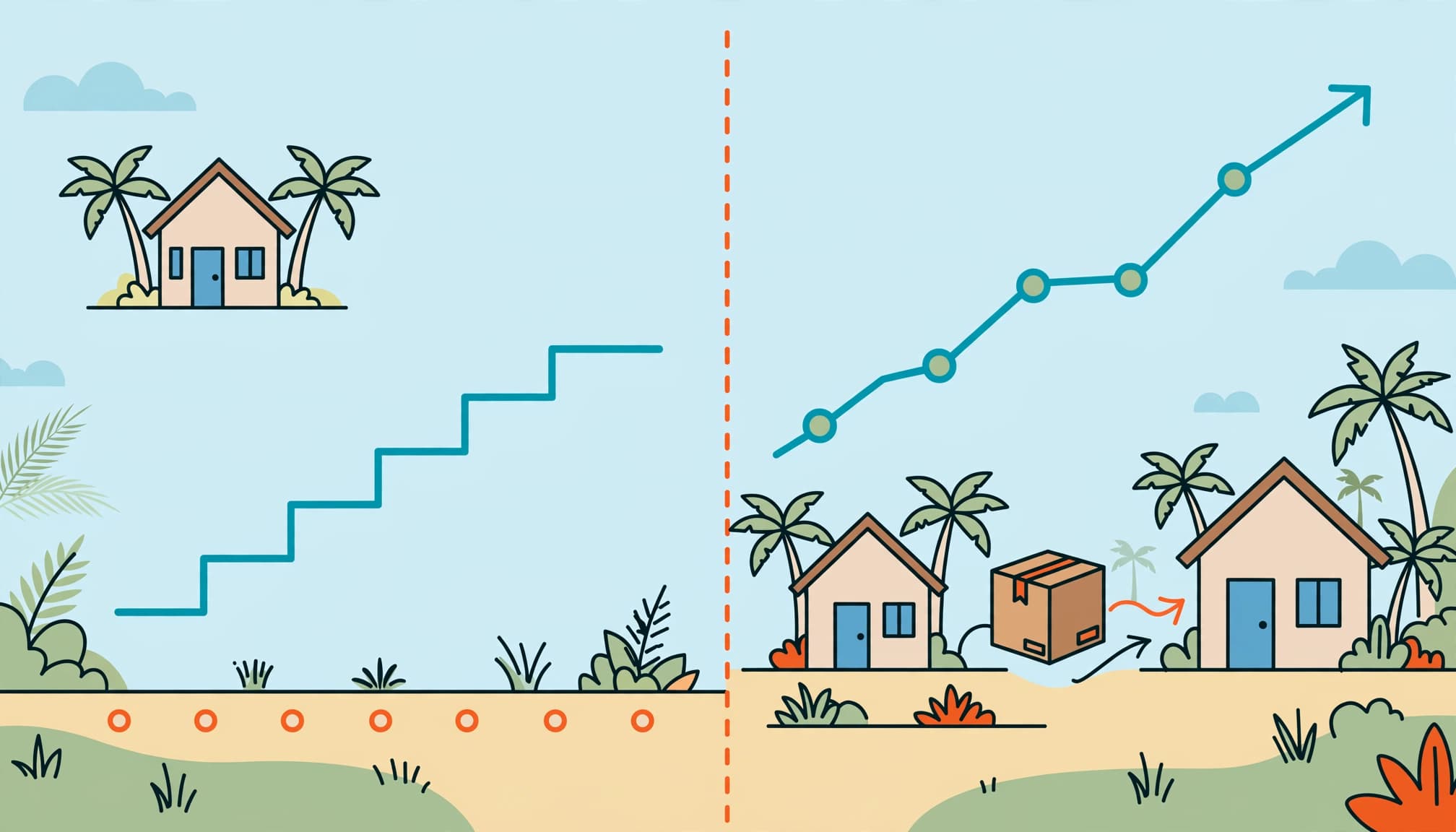
The Assessment Cap Starts After the First Exemption Year
The Save Our Homes assessment limitation caps annual increases in a qualifying homestead’s assessed value at the lower of 3% or the applicable Consumer Price Index change.
The assessment limitation begins the year after the homestead exemption first applies. It doesn’t reduce a newly built home’s initial assessment.
New additions and improvements can receive separate assessment treatment. This assessment limitation doesn’t cap changes in tax rates or non-ad valorem charges.
The Department of Revenue’s Save Our Homes and portability guide explains these distinctions.
A protected assessment can still produce a higher tax bill when tax rates or other charges increase.
Portability Transfers an Assessment Difference
If you previously owned a Florida homestead, portability may transfer up to $500,000 of its accumulated assessment difference.
This benefit is the difference between the former home’s just value and assessed value. It isn’t the exemption itself or a transfer of the previous tax bill.
For portability, you must establish the new homestead within three years of January 1 of the year you abandoned the former homestead. Moving to a lower-value property can reduce the transferable amount proportionally.
File Form DR-501T with your new homestead application. Florida’s guidance on moving a homestead confirms the separate portability filing.
We recommend having the appraiser calculate the available benefit before including it in your budget.
Budgeting for Taxes After New Construction
An affordable home needs an affordable ongoing payment. We encourage buyers to review principal, interest, property tax, insurance, and any HOA fees together.
A vacant-lot bill may not reflect the completed home’s assessment. The county assesses property as of January 1, and the finished home’s value can differ from a prior land-only bill.
Ask your lender how the initial tax escrow was calculated, and verify estimates with the county. Confirm whether the estimate reflects vacant land, completed construction, an anticipated exemption, or an unadjusted figure.
When the completed home is assessed, your mortgage servicer may revise the escrow requirement. That can increase the monthly payment even though principal and interest haven’t changed.
Keep room for homeowners insurance and any needed windstorm or flood coverage. New construction can affect insurance pricing, but the address, elevation, roof, coverage, and deductible still matter.
For construction planning in Lee, Charlotte, or Highlands County, you can discuss your new home project with our team. We help you evaluate the building plan and project budget; your appraiser and lender confirm tax and escrow figures.
Protecting Eligibility After Approval
Follow Your County’s Renewal Instructions
Some counties offer automatic renewal when ownership and permanent residency remain unchanged. Follow any renewal notice or verification request you receive.
Automatic renewal doesn’t remove your responsibility to report changes. Notify the county if you move, change qualifying ownership, or stop using the home as your permanent residence.
Review your annual assessment notice to confirm the exemption and any assessment limitation appear. An application confirmation doesn’t guarantee the benefit is reflected on your assessment.
Check Rental Use Before Listing the Home
Renting your residence can affect eligibility. Don’t assume a short-term rental is allowed just because it lasts fewer than 30 days.
The effect depends on occupancy, the rental arrangement, and applicable rules. Whole-home rentals, partial rentals, and continued owner occupancy may be treated differently.
Check with your county property appraiser before listing the home, and keep the response. An improperly claimed exemption can lead to repayment of taxes, interest, penalties, and a lien.
Investors shouldn’t budget homestead savings for a rental property intended solely for investment.
Review Trusts and Shared Ownership Early
A home held in a trust may qualify, but the ownership rights and trust terms matter. Submit requested trust documents for review rather than assuming every trust qualifies.
Multigenerational living doesn’t automatically create separate exemptions for each resident. Eligibility depends on qualifying ownership and permanent residency, not household size.
For a duplex or another mixed-use property, ask how owner occupancy and rental use affect the eligible portion. Resolve these questions before relying on projected savings.
Frequently Asked Questions
Can a Renter Claim the Exemption After Buying?
A renter who becomes a qualifying homeowner can apply for the standard homestead exemption once ownership and permanent residency requirements are met. The tax exemption applies only for a year when the home meets those requirements, so renting elsewhere doesn’t qualify it for an earlier tax year.
The exemption also doesn’t change mortgage approval standards. Your lender still evaluates income, credit, debts, and the property. We recommend treating tax savings as part of the ownership budget, not as a substitute for loan qualification.
Are Additional Exemptions Available?
Florida may offer a senior citizen exemption, benefits for a disabled veteran, or benefits for a surviving spouse, subject to each program’s eligibility rules. Some benefits also depend on county adoption, income limits, or a separate application.
Ask your county property appraiser which benefits fit your circumstances and what documents you need. Don’t assume approval of the standard homestead exemption includes every additional benefit.
Build a Reliable Tax Plan Before Closing
The strongest homestead plan starts with ownership, occupancy, and filing dates. Match those dates to your construction schedule, then budget using the completed home’s expected assessment.
We recommend keeping your application records and confirming approval with the county property appraiser. A clear tax plan helps your new home remain affordable after move-in, when the full cost of ownership becomes part of your monthly budget.