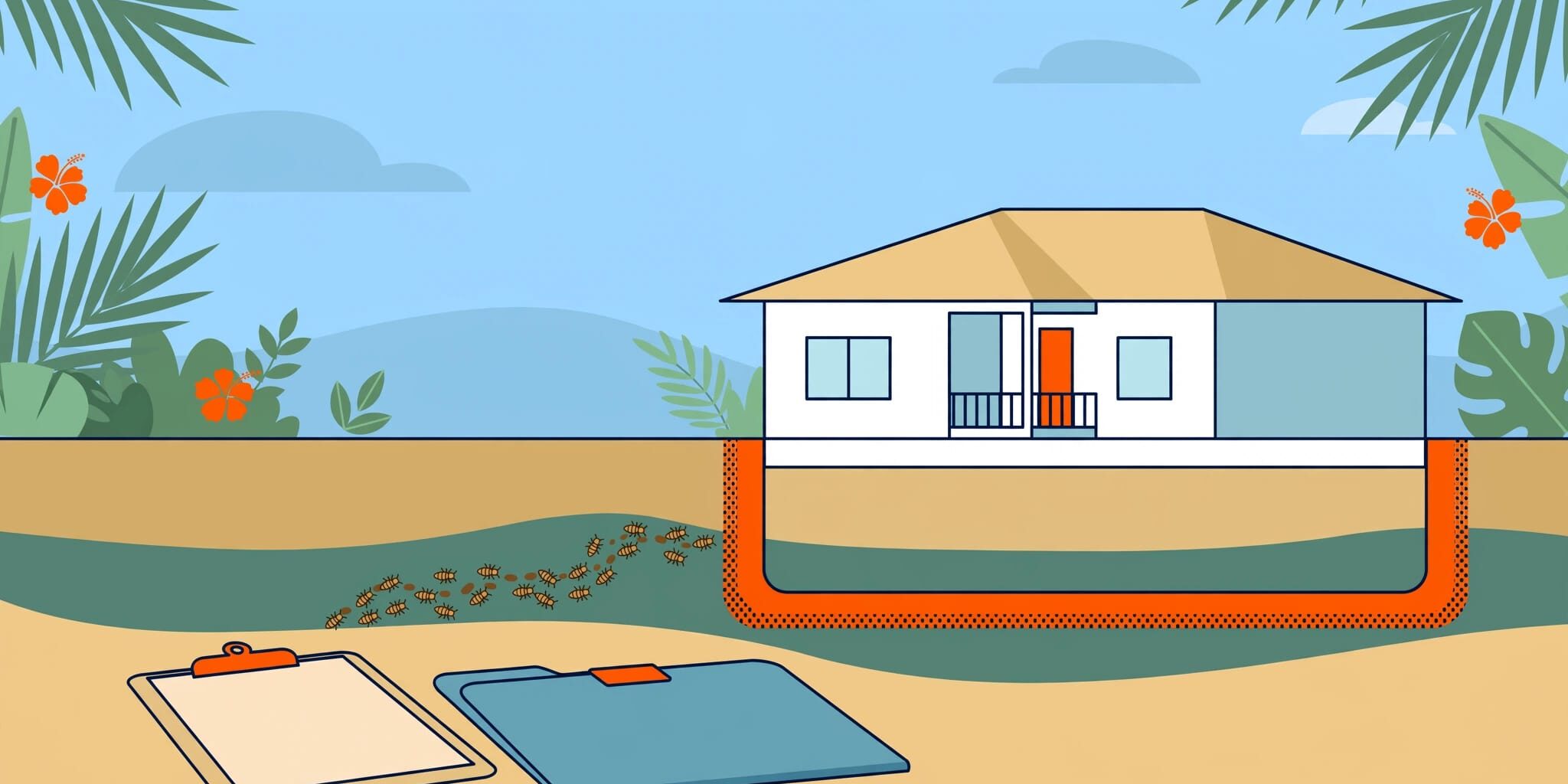
A newly built home needs termite protection before you move in. Florida termite protection starts during construction, but lasting coverage depends on treatment records, regular inspections, and a clear service agreement.
Check those details before closing, while your builder and pest control provider can answer questions together. Clear documentation protects your budget and helps you understand who handles future treatment or repairs.
Start by reviewing what your new home received during construction, then confirm what continues after the keys change hands.
Key Takeaways
- Florida’s year-round termite risk makes construction-stage protection, ongoing inspections, and maintenance important.
- Before closing, review treatment records and confirm the product, treated areas, application dates, provider, and continuing service terms.
- A termite bond may cover retreatment without covering repairs; species, exclusions, limits, renewals, and notice requirements depend on the written agreement.
- Protect the perimeter by managing moisture, preserving inspection access, keeping records, and contacting a licensed professional when you find warning signs.
Florida Termite Protection Starts During Construction
Florida’s warm, humid conditions allow termites to forage year-round. New materials, fresh paint, and a concrete foundation don’t remove that risk.
In Lee, Charlotte, and Highlands counties, we recommend treating termite protection as part of the construction plan and closing review.
Confirm the Approved Treatment Method
Section R318.1 of the Florida Building Code’s residential requirements addresses termite protection for new homes. Requirements and approved methods depend on the applicable code edition and local authority, so verify current rules locally.
Approved methods vary by code edition and local authority. They may include registered soil treatments, baiting systems, wood-applied pesticides, or other approved preventive approaches.
Ask your builder which method appears in your home’s records. Confirm the product, treatment areas, installation dates, and responsible pest control company.
Concrete block construction still needs attention, especially where site details create wood-to-ground contact. Roof framing, interior wood, cabinets, and other materials can remain vulnerable, even when exterior walls are masonry.
Separate Initial Treatment From Continuing Service
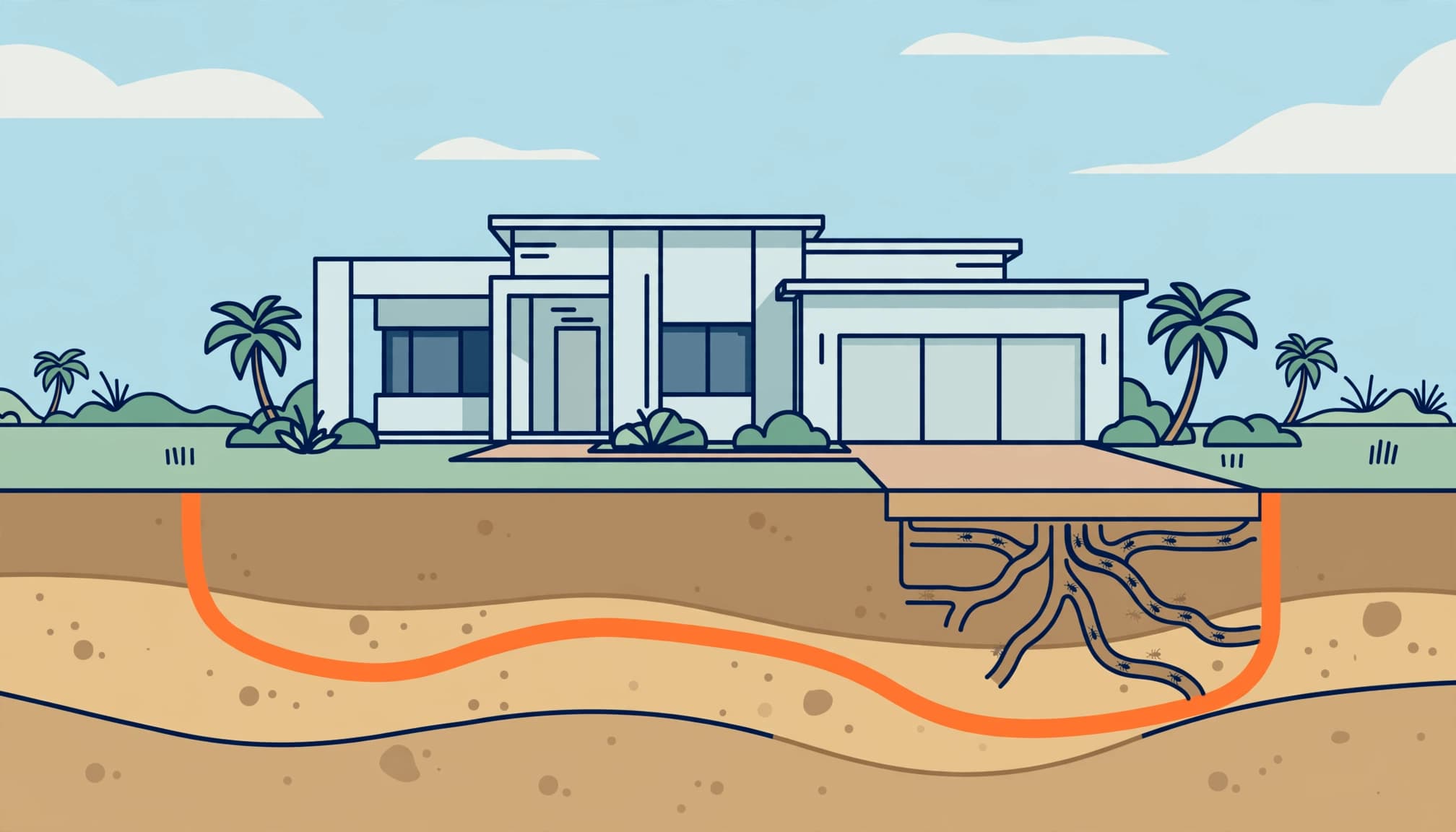
Construction-stage termite prevention and ongoing service are different commitments. A completed termite treatment doesn’t automatically include years of monitoring, transferable coverage, or payment for damage.
Before closing, request the treatment certificate, any installation diagram, and a written termite warranty or service agreement. Confirm what it covers, when coverage begins, and who pays the first renewal.
We also recommend asking whether inspections are already scheduled. A written start date and service schedule leave fewer questions after move-in.
Know Which Termites the Plan Covers
Different termite species require different protection. A treatment intended for subterranean termites shouldn’t be assumed to cover every wood-destroying pest.
Subterranean and Formosan Termites
Subterranean termites usually travel between soil and wood through protected mud tubes. They may also enter through slab penetrations, joints, or wood-to-ground contact.
Formosan termites are a type of subterranean termite. Their colonies can contain several million termites and may cause substantial structural damage, leading to costly property damage.
Ask whether your agreement covers Formosan termites by name. Broad sales language such as “complete termite protection” isn’t enough to establish coverage.
We recommend having a pest control professional identify the termite species. Swarm timing alone doesn’t reliably identify them or show where a colony lives.
Drywood Termites
Drywood termites live inside wood without needing soil contact. An underground treatment therefore shouldn’t be treated as complete drywood protection.
Their warning signs include small piles of hard, six-sided pellets, called frass. These pellets can appear beneath tiny openings in trim, furniture, or other wood.
Treatment depends on the infestation’s location and extent. Localized treatment may suit a limited problem; fumigation may be an option for some widespread drywood infestations.
Ask whether drywood termites are included, excluded, or available under a separate agreement. That distinction matters before comparing service prices.
Compare Liquid Barriers, Baits, and Wood Treatments
The right treatment depends on the home, construction stage, and product label. Compare protection scope, label directions, and service records rather than choosing by brand name alone.
These methods have different installation and maintenance needs.
| Method | How It Works | What to Verify |
|---|---|---|
| Liquid soil treatment | Creates a liquid soil barrier along potential subterranean termite routes | Label directions, treated areas, application records, and disturbance rules |
| Bait system | Provides bait that feeding termites carry through the colony | Bait station locations, monitoring, and replacement responsibilities |
| Wood treatment | Applies a registered product to designated wood | Covered surfaces, target pests, and application requirements |
The practical choice is the termite treatment that fits the property and comes with dependable follow-through.
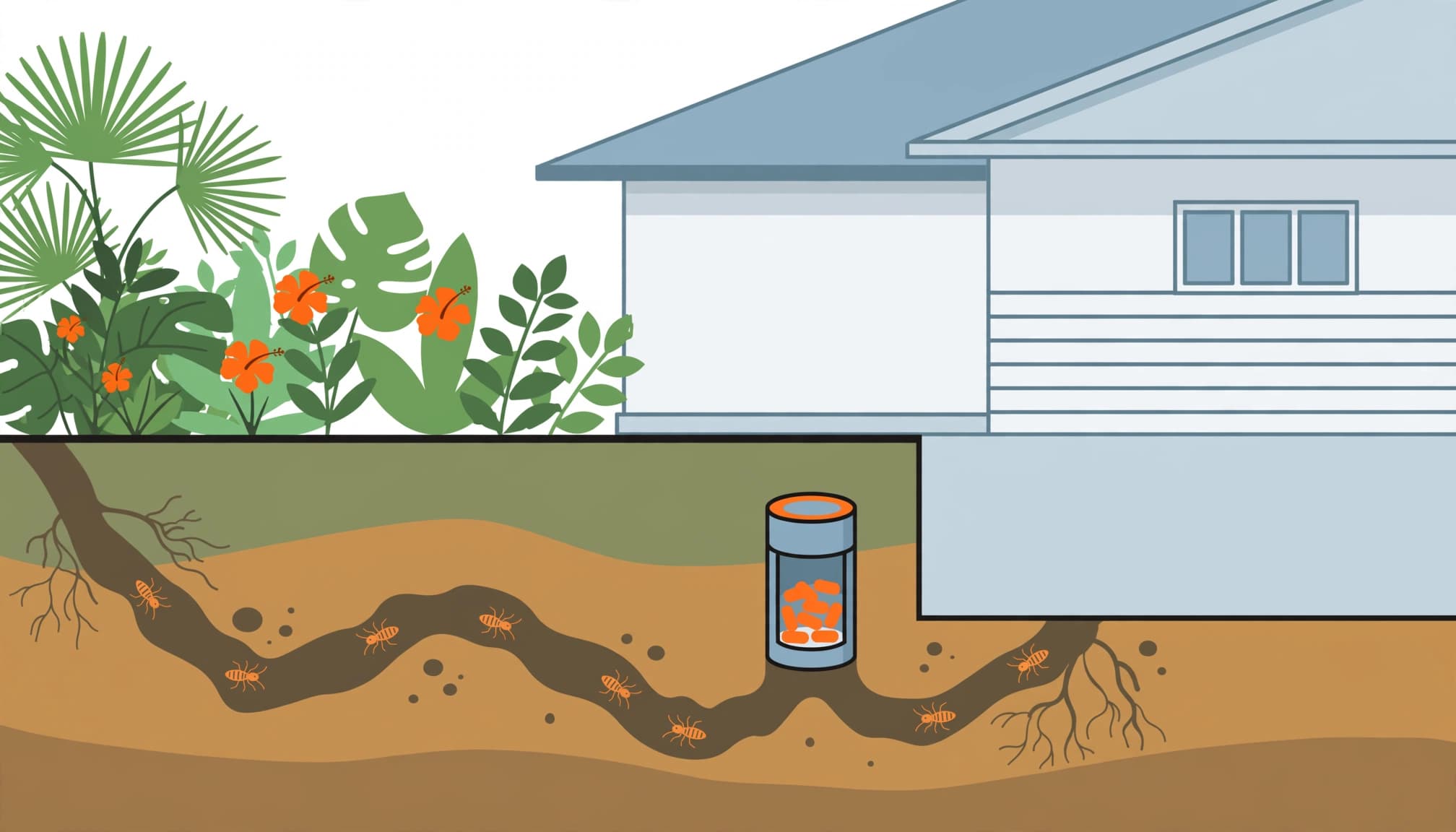
Liquid treatments depend on correct placement and label directions. Baits depend on termites finding and feeding on them, plus continued service. Wood treatments protect only labeled areas and target termite species.
If a quote names Termidor, Taurus SC, or Sentricon, request current product information and written service terms. A familiar name doesn’t establish coverage length or repair benefits.
An “eco-friendly termite control” claim doesn’t establish safety or effectiveness. Check the product label for details.
Florida regulates pest control licensing and new-construction preventive treatment through Florida Statute Chapter 482. Verify the provider’s authorization for the proposed work.
There isn’t one reliable lifespan for every treatment. Soil conditions, application quality, product requirements, and later construction all affect the plan.
Read the Termite Bond Before Paying
A termite bond is generally a service agreement, not an insurance policy with uniform statewide benefits. Calling it a termite warranty doesn’t guarantee repair coverage. Protection depends on the written terms.
We recommend reading the complete agreement before paying or accepting a renewal offer.
Distinguish Retreatment From Repair Coverage
A retreatment agreement may pay for additional pest treatment without paying to replace damaged wood. A repair agreement may offer broader protection for structural damage, subject to limits and exclusions.
Ask who authorizes repairs, who selects the contractor, and whether payment limits apply per claim or over the agreement’s life.
Check whether covered damage must occur after the agreement begins. Pre-existing termite damage, concealed conditions, and excluded termite species can affect a claim.
A promise to treat termites again doesn’t automatically include payment to repair the wood they damaged.
Review Exclusions, Renewals, and Notice Requirements
Read the provisions addressing moisture problems, leaks, landscaping changes, inaccessible areas, and interrupted service. Confirm whether unresolved conditions can suspend coverage.
Get written answers about renewal fees, inspection duties, cancellation, and transfer to a future buyer. Investors should also check access requirements for occupied rental homes.
Before closing, confirm the start date and claim-reporting process. Ask where written notices must go and how quickly suspected activity must be reported.
When a concern appears, send photographs, exact locations, and the discovery date. Keep inspection reports and responses together.
For a substantial repair dispute or unclear exclusion, consult a Florida construction attorney before signing a release or settlement.
Keep Builder Warranties and Insurance Separate
Florida termite protection belongs in your home budget, but it shouldn’t be confused with other coverage.
For qualifying new homes, Florida law provides a statutory one-year builder warranty for certain construction defects. It generally addresses defects causing material Building Code violations, subject to current law and the facts of a particular claim. The period generally begins at the earlier of first-owner title conveyance or initial occupancy.
That protection doesn’t establish a termite service agreement or termite warranty, or automatically promise repairs for termite damage. A defect involving missing or improper required treatment needs its own factual review.
Homeowners insurance has separate terms, so don’t assume it covers property damage. Review your homeowners insurance policy’s exclusions and ask your agent for a written explanation.
We recommend keeping the builder warranty, termite agreement, and insurance policy in separate sections of your closing file. Each has its own purpose, deadlines, and reporting process.
Protect the Perimeter After Move-In
Good construction needs sensible maintenance. Termite prevention also means limiting hidden entry routes and moisture that can undermine a protection plan.
Keep gutters clear and direct roof runoff away from the foundation. Repair plumbing leaks and prevent air-conditioning condensate from collecting beside the home as part of routine moisture control.
We recommend these simple preventative measures:
- Keep mulch, soil, and stored materials below visible foundation inspection areas.
- Keep firewood away from the house, and avoid wood-to-ground contact with landscape timbers near the foundation.
- Adjust irrigation so it doesn’t repeatedly soak exterior walls or the foundation.
- Leave bait stations accessible and avoid moving them during yard work.
Contact your termite provider before installing a patio, digging beside the foundation, or changing drainage. Excavation and added concrete can affect access, treated soil, or inspection conditions.
After heavy rain, look for standing water, overflowing gutters, and persistent dampness. Correct drainage problems rather than covering them with additional landscaping.
Renters should report leaks and suspected termite activity promptly. Property owners and managers should coordinate inspection access and repairs. A shared reporting process helps avoid delays when several people are responsible for the property.
Inspect the Home and Keep a Written Record
Permit approval matters, but it doesn’t replace a buyer-focused inspection or review of termite coverage.
Check Construction and Closing Records
Ask when treatment was completed and whether later site work disturbed treated areas. For soil-treated homes, confirm final exterior treatment occurred before final building approval, and check for wood-to-ground contact around the foundation.
The City of Tampa’s termite treatment documentation guide explains relevant Florida code requirements, including product and applicator information.
Your file should identify the property, treatment dates, areas treated, and required application details. Compare those records with your home’s service agreement.
Resolve missing documents before closing and list outstanding corrections on the punch list.
Recognize Warning Signs Without Guessing
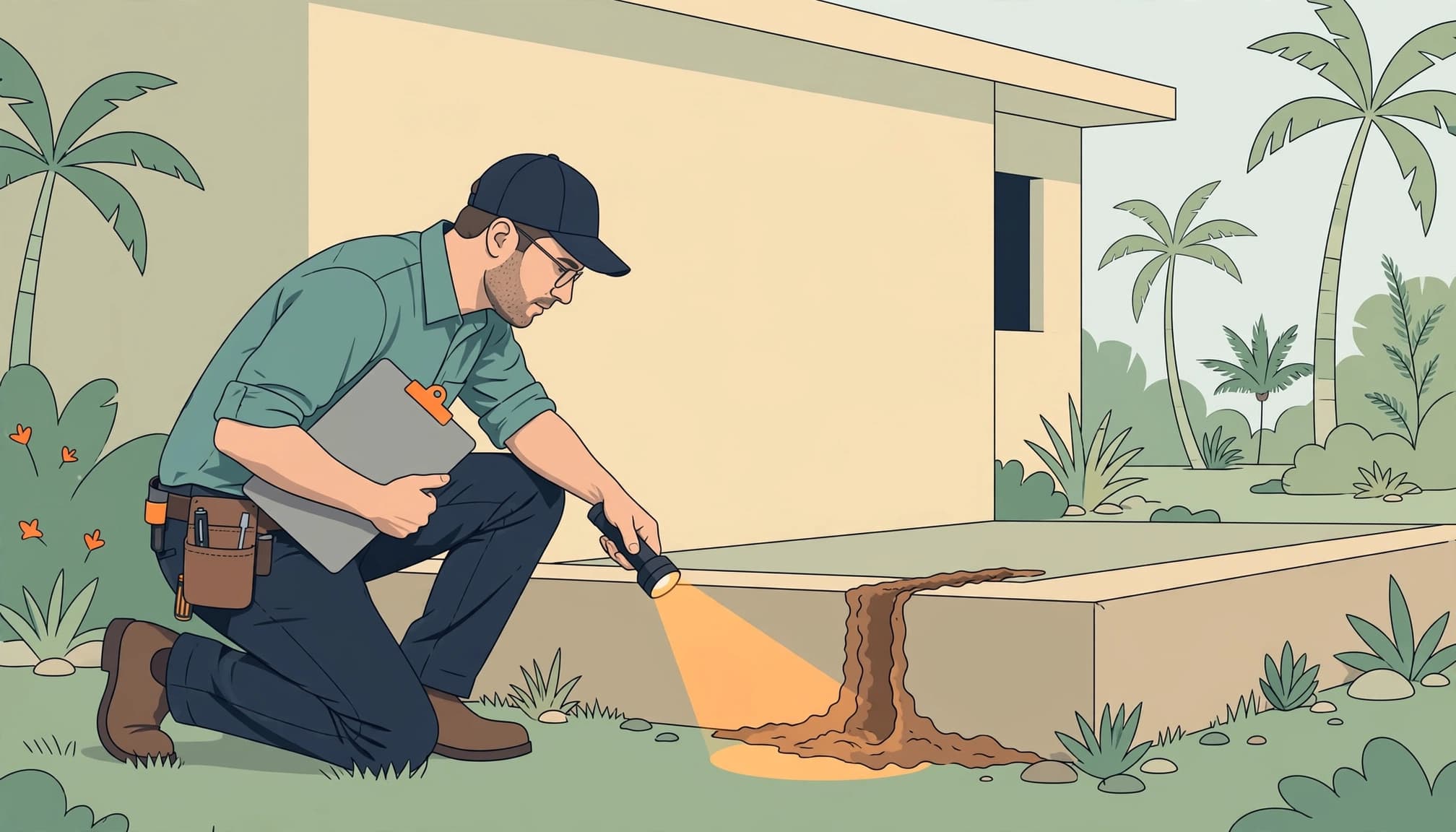
Look for mud tubes, discarded wings, frass, blistered wood, and hollow-sounding trim. These signs warrant evaluation, but they don’t confirm the termite species. They also don’t show where a termite infestation is located.
Indoor wings alone don’t prove an indoor colony. Several piles in different areas deserve prompt professional attention.
Photograph evidence before cleaning or disturbing it. Record the room, wall, or exterior location, then contact your provider using the agreement’s notice process.
Schedule inspections at the intervals required by your agreement. Check whether it calls for annual inspections, since schedules vary. Ask whether additions, excavation, or major moisture problems warrant an extra termite inspection.
Compare Long-Term Costs and Avoid DIY Shortcuts
Affordable protection needs a clear budget for installation, inspections, renewals, and possible uncovered repairs.
Compare Quotes on Equal Terms
Ask each provider to separate the initial charge from ongoing fees. Compare coverage for the same termite species, inspection schedule, retreatment terms, repair limits, and transfer provisions.
A lower annual price may reflect narrower coverage. A higher price doesn’t prove better service or broader repair protection.
Ask who services the property, what happens after missed appointments, and whether fees can increase at renewal.
Include continuing termite service in your ownership or rental budget. Don’t treat the construction-stage payment as the final expense.
Follow Product Labels and Licensing Rules
Professional-grade termiticides require careful handling and correct application. Buying a product doesn’t mean you can legally or safely use it for every treatment.
The EPA’s termite control guidance recommends hiring a licensed pest control professional and following pesticide labels carefully.
Check permitted-user requirements and directions on the current label. Don’t improvise trenching, drilling, application rates, or placement near water sources.
Avoid creating wood-to-ground contact during landscaping or repairs. For treatment decisions, we recommend routine homeowner prevention and help from a licensed professional.
Frequently Asked Questions
Does construction-stage termite treatment protect my home indefinitely?
No. Treatment coverage and duration depend on the product, application, site conditions, and written service terms, and an initial treatment does not automatically include years of monitoring or repairs.
What termite documents should I review before closing?
Request the treatment certificate, any installation diagram, and the written service agreement. Confirm the product, treatment areas and dates, covered termite species, inspection schedule, fees, and repair terms.
Does a termite bond pay for termite damage?
Not necessarily. A retreatment agreement may pay for additional treatment without covering wood repairs, while repair coverage is subject to the agreement’s limits and exclusions.
Does an underground treatment cover drywood termites?
Not necessarily, because drywood termites live inside wood without needing soil contact. Check whether they’re included, excluded, or covered under a separate agreement.
Start Homeownership With Clear Termite Protection
A new home should come with a documented treatment plan and clear responsibilities after closing. Written coverage matters as much as the initial application.
We recommend verifying the treatment records, comparing service terms, and preserving foundation access. Those steps support a practical maintenance plan without relying on vague promises.
If you’re planning a home in Lee, Charlotte, or Highlands County, contact Nathan’s Homes to discuss construction scope, site conditions, and closing expectations before you commit.