

A new home or commercial project needs more than a good plan. Florida construction projects need clear responsibility for the budget, permits, schedule, inspections, and work happening on site.
A general contractor project manager can be one person on a smaller build, or two separate roles on a larger project. This article compares the contracting, management, and field roles, while recognizing that duties vary by contract, project type, and local jurisdiction.
For homeowners, property owners, developers, and investors, the goal is simple: know who holds the construction contract, who can approve costs and changes, who handles permits and licensing, and who manages daily site activity before work begins.
Key Takeaways
- A general contractor is usually the legal contracting party responsible for delivering the work, while a construction project manager coordinates the budget, schedule, and project details.
- The general contractor oversees construction delivery, including trade performance, permits, scheduling, and quality control.
- A site superintendent manages the daily jobsite, including crews, deliveries, sequencing, field conditions, and safety compliance.
- When hiring in Florida, confirm the responsible contractor’s current license status, legal business identity, insurance coverage, and permit responsibility.
- Written scope details, draw schedules, change orders, and lien releases help protect the project from avoidable surprises.
A project can have a strong schedule and still create problems if nobody has clear authority to approve costs, sign trade contracts, or respond to permit issues.
General Contractor Project Manager Roles in Florida
The titles can overlap, but the responsibilities aren’t always the same. General contractors typically hold the prime contract, hire subcontractors, and coordinate the work required to complete the project.
A construction project manager may work directly for an owner, developer, builder, or construction-management firm. That person may provide construction management without being the licensed party responsible for construction contracting.
Contract Responsibility Comes First
The contractor typically signs and administers subcontractor contracts and supplier agreements. Depending on the agreement, that includes payment draws, jobsite coordination, permits, inspections, and the work required to complete the project.
For a homeowner, the title on a business card isn’t enough to establish authority. A project manager’s title alone doesn’t authorize that person to contract, pull permits, supervise regulated work, or bind the owner. The written agreement should identify the contracting entity, payment responsibility, change-order authority, permit duties, and warranty obligations. Review current DBPR guidance and seek project-specific advice when licensing duties are unclear.
Management Responsibility Keeps Work Moving
Project management keeps the plan behind the build organized. The project manager tracks costs, schedules work, reviews selections, communicates with consultants, and keeps open items from getting lost.
On a larger build, the general contractor, project manager, and superintendent work as one team. Each role has a different focus, but all three need alignment on quality, timing, and budget.
What the General Contractor Handles
The general contractor turns approved plans into a finished home, duplex, renovation, or commercial space. Their work is practical and visible, but much of the responsibility begins before crews arrive.
Permits, Trades, and Site Work
The contractor usually coordinates permit applications, subcontractors, inspections, material deliveries, and site activity. In Southwest Florida, that may also include clearing, fill, drainage, utility coordination, driveway work, and final site completion, depending on the property and contract.
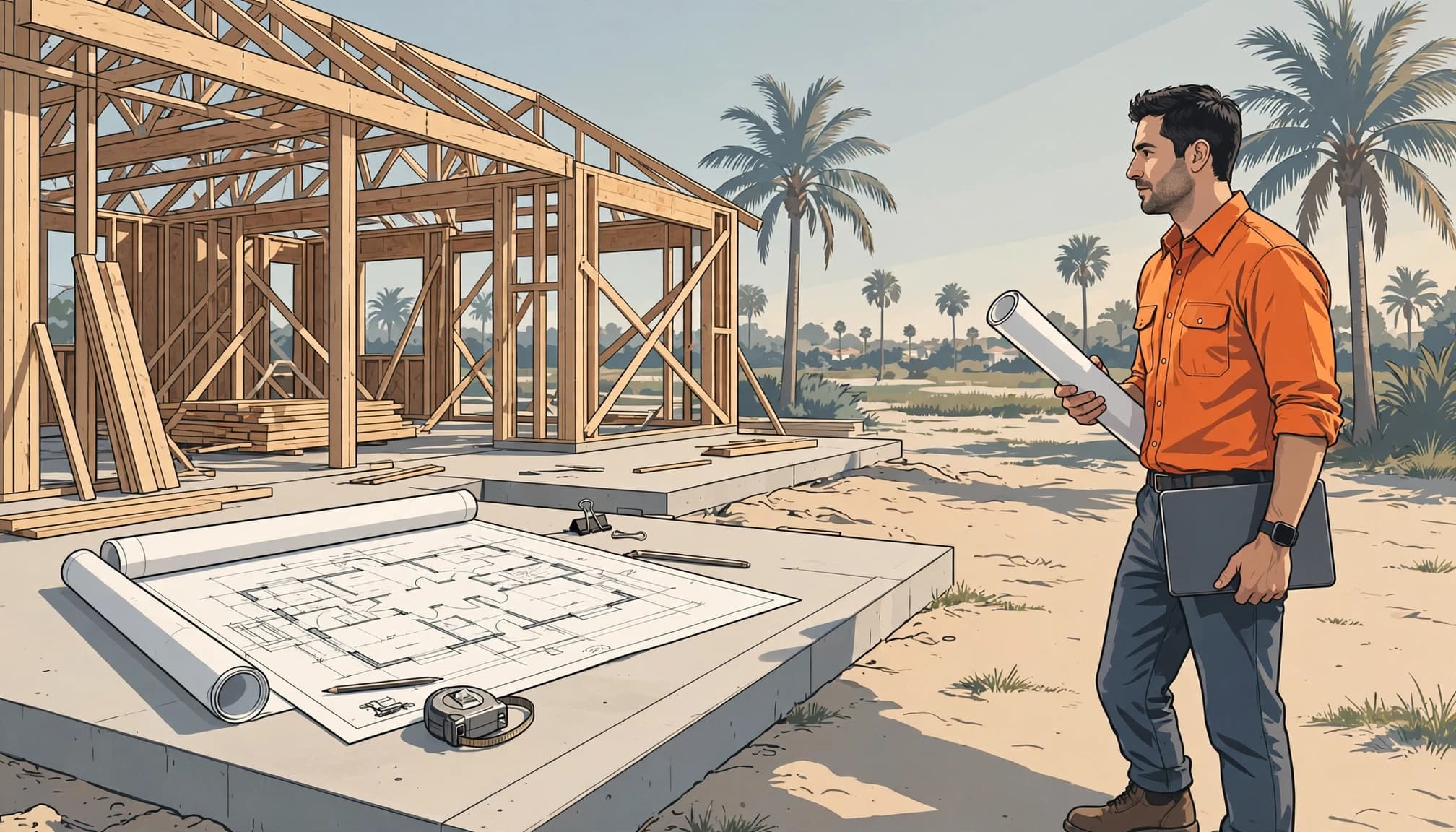
The contractor must also manage the order of work. Foundation work has to be ready before framing. Framing must be complete before major mechanical rough-ins. Inspections must be passed before the next stage can move ahead.
Weather, drainage issues, material delays, inspections, and correction work also require careful risk management.
Quality, Safety, and Final Delivery
The contractor coordinates work to meet the approved plans, applicable Florida and local requirements, and contract obligations. That includes quality control, safety compliance, correction work, punch-list items, and warranty administration.
Good builders don’t leave important details to verbal conversations. We recommend assigning engineering revisions, permit comments, inspections, and owner questions in writing. A clear answer early can prevent a difficult conversation later.
What a Construction Project Manager Handles
A construction project manager keeps the moving parts connected. Their work often includes cost reports, schedules, meeting notes, approval logs, purchase tracking, and decision records.
They also coordinate owner selections, trade questions, and updates between the office and field team. A project manager may prepare budgets and compare bids, but that role doesn’t automatically make them the contracting party or a licensed contractor.
The Bureau of Labor Statistics description of construction managers includes planning, coordinating, budgeting, and supervising work from start to finish. Those responsibilities form the core of effective project management and support reliable construction management.
Budget Management and Cost Estimation
Budget management starts with a realistic cost plan. Project managers compare bids, track allowances, review invoices, prepare draw requests, and explain how approved changes affect the total cost.
A dependable budget separates the house itself from other expenses. Lot preparation, engineering, permits, impact fees, utilities, financing, flood requirements, and contingency funds shouldn’t be hidden inside a broad number.
Contingencies also support risk management when prices, site conditions, or approvals change. Clear cost reports show which amounts are committed, pending, or still exposed.
Schedule Creation and Client Communication
The project schedule ties together permits, material lead times, trade availability, inspections, and buyer selections. Schedule creation should show task dependencies, inspection gates, procurement timing, and the effect of late decisions.
When cabinets, windows, or tile selections arrive late, the schedule can move quickly. A project manager should explain the delay, update affected activities, and coordinate resources with the field team.
A good project manager gives you direct updates when that happens. You should know what changed, why it changed, what it costs, and whether a written change order is required.

Project Manager vs. Site Superintendent
The project manager and superintendent are both leaders, but their daily work looks different. In Florida residential and commercial work, one focuses on project controls and coordination, while the other leads jobsite production.
The Project Manager Leads the Plan
A project manager handles the broader picture. They review budget reports, update the construction schedule, coordinate with lenders or owners, track approvals, and resolve issues that affect cost or timing.
They may spend time in the office, in meetings, and on site. Their job is to keep the project organized before a delay becomes expensive.
The Superintendent Leads the Jobsite
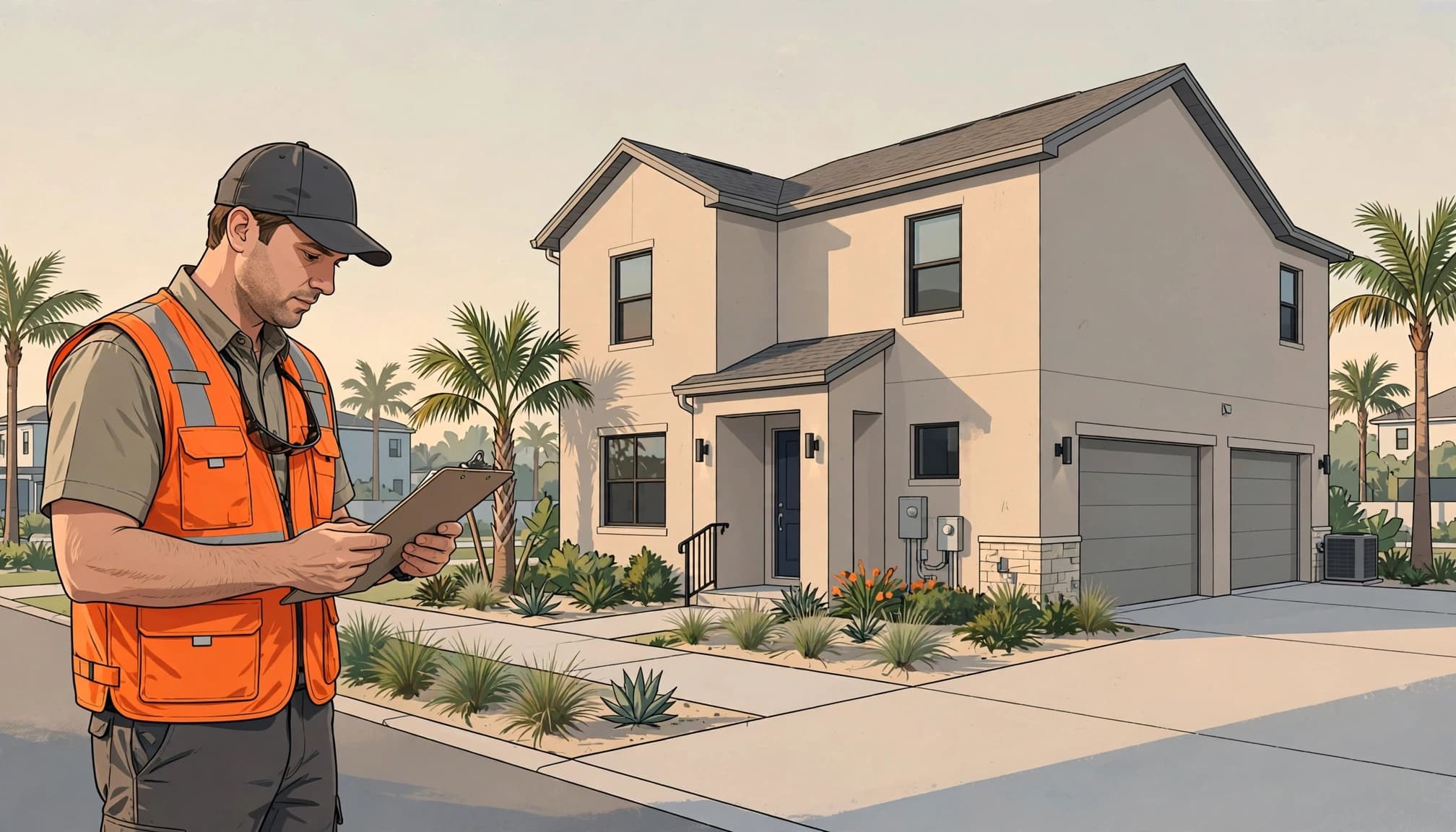
The superintendent is usually the field leader or the contractor’s representative. They provide site supervision, coordinate crews each day, check completed work, manage deliveries, confirm site access, and prepare for inspections.
The title alone doesn’t authorize someone to sign the prime contract, approve owner-funded changes, or hold a Florida contractor license.
On a residential or commercial project, the superintendent often identifies a field condition first. The project manager documents the issue, evaluates its cost and schedule effects, and obtains the required decision or change order. This handoff depends on clear communication skills.
Florida Licensing and Project Oversight
Florida makes the distinction between contractors and project managers especially important. General contractors may contract for construction work, but a project manager’s title doesn’t establish that authority or satisfy a licensing requirement.
Certified and Registered Contractor Licenses
The Florida Department of Business and Professional Regulation administers contractor licensing under Chapter 489. A state-certified contractor generally may contract throughout Florida. A state-registered contractor is limited to the jurisdiction where the registration was issued, subject to current law.
Licensing implications depend on the services performed, contracting structure, license type, project, and applicable jurisdiction. Review the state’s Florida construction industry licensing information and use its current license-search tools before relying on a license number.
Confirm the license is active, then verify the qualifier and legal business name connected to the project. For project-specific questions, contact the local building department as well as DBPR.
Authority Must Match the Agreement
Some companies provide full construction services. Others offer construction project management while the owner signs subcontractor contracts directly and pays those parties separately.
Either approach can work. The agreement should identify who applies for permits, signs trade agreements, approves change orders, verifies completed work, handles warranties, and maintains payment records. Request current general liability and workers’ compensation information directly. Proof of insurance is prudent, but it isn’t the same as verifying a DBPR license.
Documents That Protect Your Project
A clear contract supports risk management by defining the price, scope, exclusions, and decision process. It should also assign responsibility as construction moves forward.
Scope and Allowances Need Detail
“Builder standard” and “per plan” are not enough without supporting documents. Review the plans, specifications, selection sheets, allowances, and every attachment named in the agreement.
The written scope should identify owner work, contractor work, allowances, exclusions, site conditions, and responsibility for permit-related or engineering changes.
Compare proposals line by line. One contractor may include appliances, impact windows, site preparation, driveway work, and permit coordination. Another may price some of those items as allowances or owner expenses.
Payment Draws and Written Changes Matter
Payment draws should match objectively completed stages, such as foundation, framing, dry-in, mechanical work, and final completion. Ask who verifies the work before a draw is released.
Require signed change orders that identify the scope, price, schedule effect, and approval. Keep one file for contracts, invoices, permits, inspection records, selections, lien releases, and warranty documents.
For disputed or unclear payment terms, lien releases, or contract documents, seek advice from a qualified Florida attorney before relying on them.
Local code inspections confirm permitted work meets required building codes. They don’t replace an independent inspection focused on workmanship, finishes, drainage, and the condition of the completed home.
Education, Skills, and Career Paths
There is more than one career path into construction management. Some project managers begin in the trades through on-the-job training. Others start with a bachelor degree program in engineering, architecture, or construction science.
Degrees and Field Experience Build Strong Managers
The BLS lists a bachelor’s degree as the typical entry-level education for construction managers. Coursework in construction management can provide a foundation in planning, estimating, contracts, and building methods.
Practical work experience remains important because plans and budgets only tell part of the story. Field exposure helps future managers understand sequencing, inspections, code requirements, and weather-related delays.
Leadership and Certifications Add Value
Clear communication is one of the most important leadership skills in construction. Project managers need strong communication skills to give direction, listen to field concerns, document decisions, and coordinate work.
Professionals may also advance through on-the-job training as they take on scheduling, budget, documentation, and coordination responsibilities. These project management duties require technical skills, sound judgment, and steady decision-making when costs or schedules change.
For experienced professionals, the Construction Management Association of America offers the Certified Construction Manager designation. Requirements can change, so applicants should review CMAA’s current eligibility, reference, and examination information before applying.
Salary and Job Outlook
Construction management can be a strong career path for people who balance technical details with client service. Pay varies by location, project size, employer, experience, and role.
The Bureau of Labor Statistics reported a national median annual wage of $106,980 for construction managers in May 2024. It projects 9 percent employment growth from 2024 through 2034, with about 51,400 openings each year.
These national figures aren’t Florida salary promises or guarantees for general contractors and site superintendents. They show why experienced professionals can find a solid career path in growing communities.
Frequently Asked Questions
Can one person be both a general contractor and project manager?
Yes. Smaller residential builders often combine both roles. That person may hold the contractor responsibility while managing budgets, selections, schedules, and client communication.
Should a homeowner hire a general contractor or a construction project manager?
Choose based on the contract structure and who will hold legal responsibility. A general contractor commonly holds trade agreements and coordinates construction delivery through a contracting company. An owner-side project manager may coordinate vendors without being the licensed contractor or contracting party.
With project management only, the owner may still carry responsibility for licensing, permits, payments, liens, and warranties. Hiring a project manager doesn’t automatically transfer those obligations.
Who handles permits and inspections in Florida?
The builder or designated contractor often manages permits and inspections, but responsibilities can vary. The agreement should identify who submits applications, responds to permit comments, schedules inspections, pays fees, and addresses corrections.
Florida requirements can vary by project and jurisdiction. Confirm current requirements with DBPR and the local building department. For unclear contract, lien, arbitration, or warranty language, consider advice from a Florida construction attorney.
What should be verified before signing?
Verify the contractor’s active Florida license, legal business name, insurance information, project scope, allowances, payment draw process, change-order rules, and warranty terms. For unclear contract, lien, arbitration, or warranty language, consider advice from a Florida construction attorney.
Build With Clear Responsibility
A general contractor project manager relationship works best when responsibilities are written down. The right arrangement depends on who holds the contract, controls payments and changes, and handles permits. Clear communication between the project manager and field team also matters.
Before work begins, discuss the project scope, budget, licensing, permits, and responsibilities with the prospective project team. Clear expectations help protect your home, investment, and building goals.