

When comparing Florida stucco finishes, first separate exterior wall coatings, pool interiors, and deck surfaces. We recommend judging each by its intended use and installation quality before choosing a color.
For homebuyers in Southwest Florida, heavy rain and humidity make moisture protection especially important. Start by identifying the product family, then look beyond the finished surface to the details that protect your investment.
Key Takeaways
- Pool finishes, deck coatings, and exterior stucco are different products with different installation requirements.
- Florida Stucco Corporation offers five pool collections: Elite, Gem, Reserve, Pearl, and Petite.
- Manufacturer strength figures describe the finish material, not the completed home’s weather resistance.
- Inspect visible stucco, document concealed work during construction, and record unfinished items before closing.
Match Florida Stucco Finishes to the Right Surface
“Stucco” can describe a home’s exterior wall finish, while Florida Stucco Corporation also manufactures pool and deck products. That distinction matters when reviewing specifications or comparing selections, especially when separating pool finishes intended for submerged use from exterior walls and decks.
The company’s exterior finishes include FiberCote (Fiber Cote), Florida Stucco, and MarbleCote for residential and commercial applications. These belong in the exterior-wall discussion, separate from products intended for continuous underwater use.
For decks, Florida Stucco offers deck finishes in nine colors. Installers can dash-apply them or create a trowel-textured surface. The company also offers White Spray Deck for pool decks, patios, and walkways.
We recommend keeping these selections separate in your construction documents. A pool collection name doesn’t identify the home’s wall finish, and a deck color doesn’t establish its application texture.
Because each surface has a different job, compare like products. Exterior walls need a complete weather-protection assembly, while pool interiors require a finish intended for submerged service.
Compare the Five Pool Finish Collections
All Florida Stucco pool finishes are mill blended exposed aggregate products. Their shared formulation includes white portland cement, selected aggregates, and proprietary additives.
The collections differ in their aggregate combinations and decorative effects.
| Collection | Material or Distinguishing Feature |
|---|---|
| Elite | Premium white rock blended with colored quartz. |
| Gem Finishes | Selected colored quartz aggregate. |
| Pearl Finishes | Machine-blended exposed river aggregate. |
| Reserve Finishes | Iridescent glass beads added to selected Pearl and Gem blends. |
| Petite Finishes | Selected river aggregate in an exposed aggregate finish. |
The main choice is the aggregate appearance, rather than five completely unrelated coating systems.
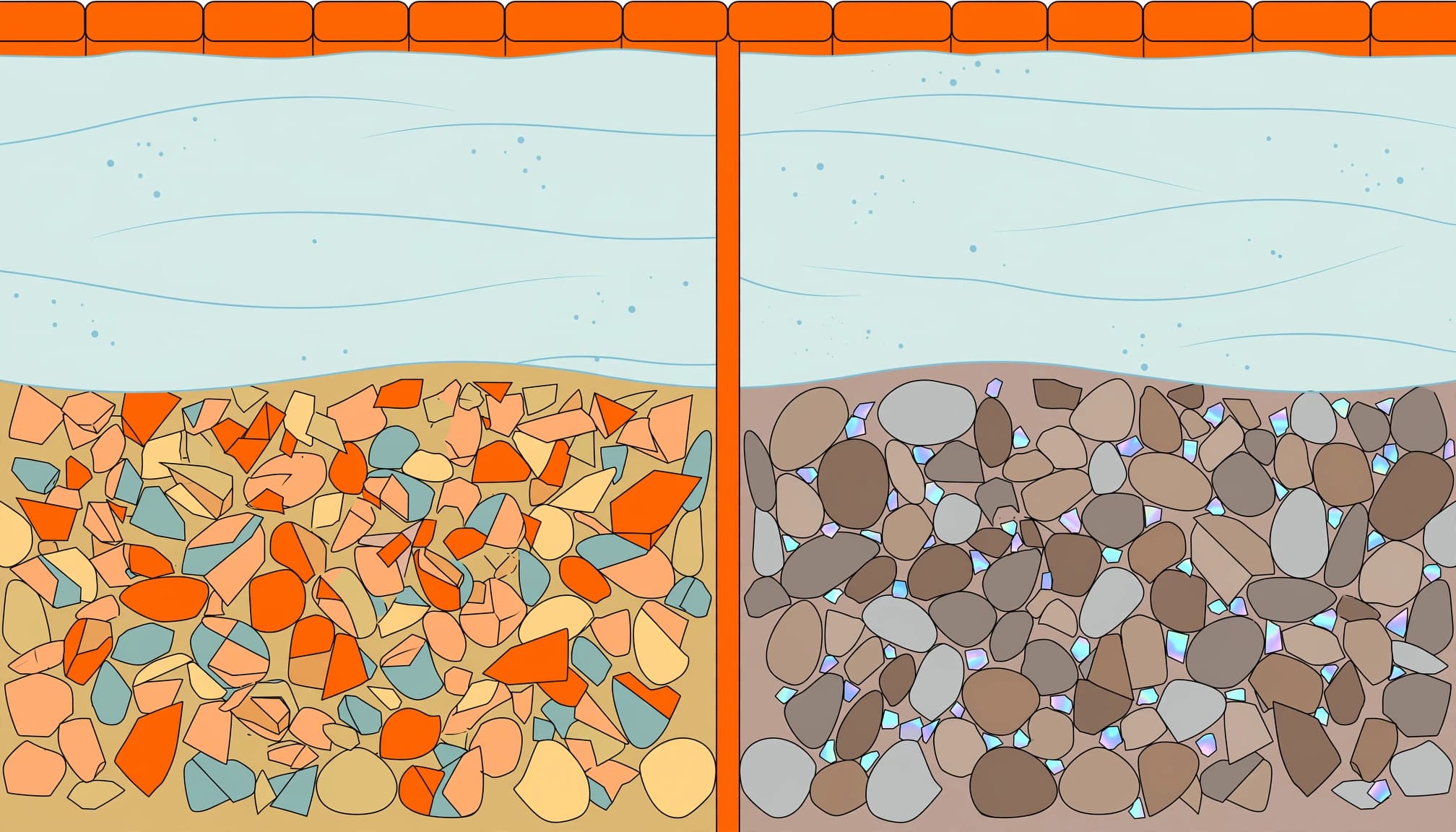
We suggest comparing the underlying material before focusing on collection names. Quartz, river aggregate, and glass accents create different visual effects, but appearance alone doesn’t establish installation quality.
Also, avoid assuming that a decorative upgrade changes every performance characteristic. Reserve adds iridescent glass beads to selected existing blends; that description doesn’t establish a separate strength rating for every Reserve option.
Understand Gem Finish Performance Claims
Gem Finishes have manufacturer-published specifications that buyers can compare, but those figures apply to pool finishes, not exterior wall stucco.
Quartz, Etching, and Surface Texture
Florida Stucco describes Gem as an etch resistant marcite alternative to traditional cement-based pool plaster. Its selected colored quartz aggregates distinguish it from a conventional plaster surface.
The manufacturer describes Gem as etch resistant and stain resistant, with a slip resistant, non-abrasive exposed aggregate surface. When comparing plaster finishes, buyers can consider Gem as a marcite alternative to traditional pool plaster.
These descriptions are product characteristics, not permission to overlook pool maintenance. Etch resistance doesn’t mean water chemistry, cleaning methods, or professional installation stop mattering.
Strength and Jobsite Preparation
Florida Stucco says Gem uses white portland cement. It reports compressive strength above 3500 psi after 24 hours and above 7000 psi after 28 days.
Compressive strength measures resistance to crushing under load. It doesn’t establish resistance to every type of cracking, staining, or installation defect. These are manufacturer-published material figures, not an independent rating of the completed pool.
Gem also arrives as a complete, mill prepared product. Florida Stucco says installers don’t add other materials at the job site.
The company calls for mechanics applying Pearl finishes to follow professional plastering standards. We recommend treating workmanship as a separate buying consideration, even when the material comes preblended.
Inspect Exterior Stucco Beyond the Texture
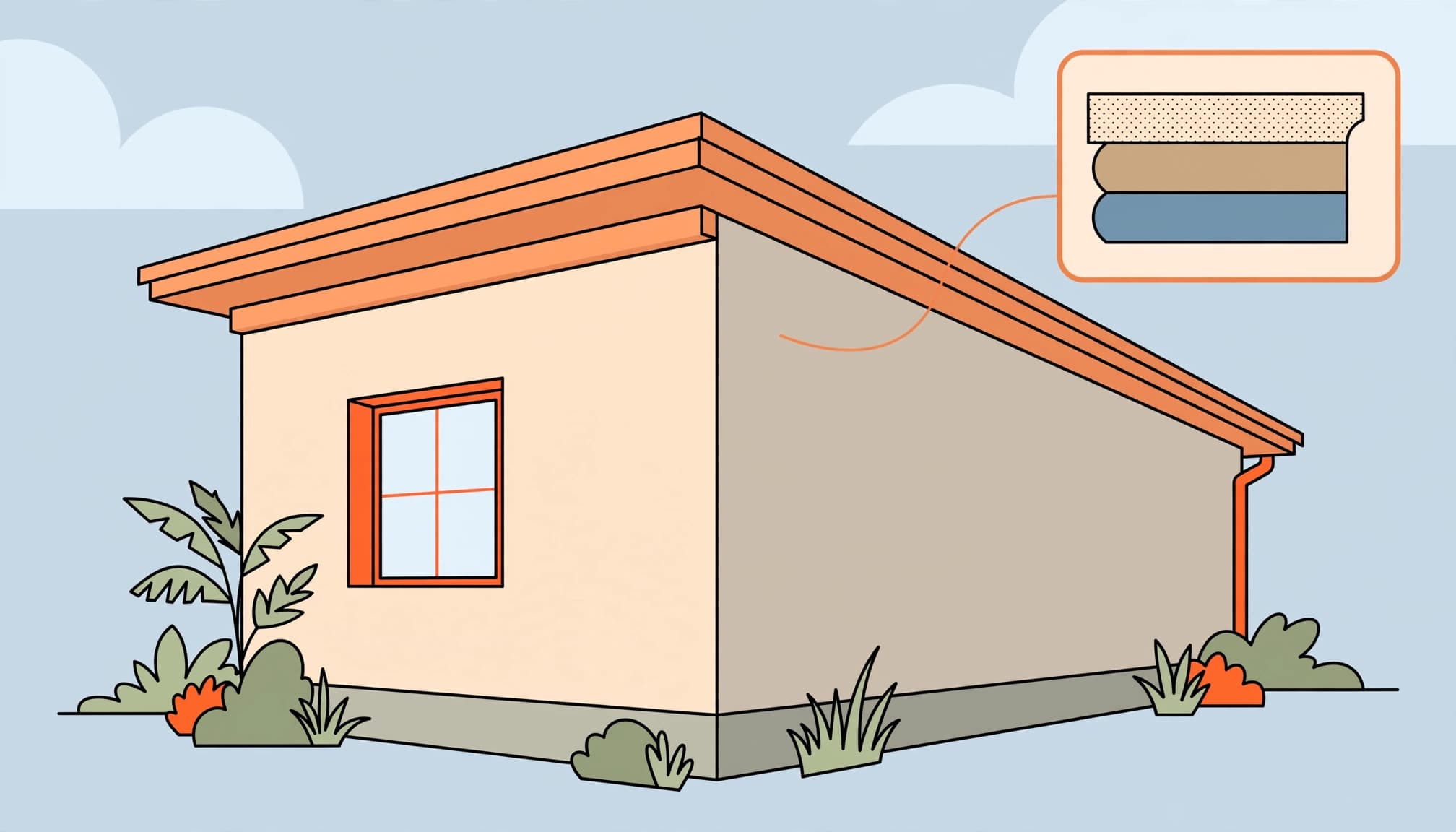
A consistent texture improves curb appeal, but it doesn’t reveal everything behind the wall. We recommend reviewing both the visible finish and the places where water can enter.
Review Cracks, Joints, and Openings
Walk around each exterior elevation and photograph cracks, chipped areas, open joints, and incomplete sealant. Pay close attention around windows, doors, lights, hose connections, vents, and electrical equipment.
Record the exact location of each concern. “Crack below the rear bedroom window” gives the repair team more useful information than “stucco needs attention.”
A visible crack or stain doesn’t establish its cause. A qualified inspector can assess whether it needs cosmetic repair or further investigation.
Follow the Water Path
Look at grading, roof-to-wall intersections, and the wall base. Concentrated runoff shouldn’t collect against the foundation, and landscaping shouldn’t obstruct drainage features.
For framed exterior walls, the protective layers behind the finish matter. The Florida Building Commission’s residential wall-material guidance explains the role of water-resistive barriers behind exterior coverings.
However, a finished-wall walkthrough can’t confirm concealed flashing or barrier installation. Our new construction inspection checklist places exterior observations within a broader review of drainage, openings, and construction stages.
Fresh paint and an even stucco texture can’t confirm that concealed moisture-protection details were installed correctly.
Review Hidden Work Before Finishes Close It In
The right inspection timing gives you information that a final walkthrough cannot provide. We recommend building inspection access into the construction schedule before work becomes concealed.
Document Accessible Construction Details
During the appropriate construction phase, an independent inspector can review accessible openings, penetrations, connections, and visible moisture-protection details. Photograph those areas while they remain exposed.
Keep images organized by elevation, room, or opening. That record helps connect later questions to the actual construction rather than relying on memory.
Exterior layers may become concealed on a different schedule than interior drywall. Therefore, inspection timing should follow the work being reviewed. Our guide to construction steps after framing explains why several activities can overlap.
Separate Permit Reviews From Buyer Inspections
Required inspections address applicable Florida Building Code requirements and the approved plans. They don’t replace a buyer-focused inspection of accessible workmanship, visible damage, and unfinished details.
We recommend keeping permit records and independent inspection reports together. Each documents a different part of the project.
A final review still matters because landscaping, equipment installation, and finish work can introduce concerns after earlier inspections. Pay attention to new penetrations, damaged coatings, and drainage conditions around the completed home.
Put Finish Selections and Corrections in Writing
Clear specifications help protect an affordable construction budget. We recommend identifying the wall finish separately from the pool collection and deck coating.
The written scope should identify the manufacturer, product line, selected color, texture, and included application area. For a deck, “trowel-textured” communicates more than a color name alone.
Keep substitutions and upgrades in written change orders. Our guide to Florida construction contract terms explains how selections, allowances, and changes fit into the larger agreement.
Before closing, turn inspection findings into a location-based punch list. Include photographs, the requested correction, the responsible trade, and the target completion date.
We also recommend retaining written repair responses and completion records. When significant work remains, an independent reinspection can document the corrected condition.
Finally, keep finish information with the home’s warranty documents. Product names and repair records are useful when arranging future maintenance or discussing a concern through the warranty process.
Frequently Asked Questions
Why Is Stucco Common in Florida?
Cement-based stucco provides a durable exterior finish and works with common masonry construction. It also offers several textures and can receive compatible exterior coatings.
However, Florida’s rain and humidity make the surrounding wall details important. We recommend evaluating flashing, openings, drainage, and maintenance alongside appearance. Stucco alone doesn’t make a wall waterproof.
Do Pool Photos Predict the Finished Water Color?
Florida Stucco identifies its pool gallery images as actual installed pools. Even so, the manufacturer explains that lighting, viewing angle, water depth, and surrounding landscaping change the apparent water color.
We recommend treating gallery images as examples rather than an exact color promise. Compare the finish material and the pool’s setting when making a selection.
Does a New Home Still Need a Stucco Inspection?
Yes. New construction can have damaged finishes, incomplete sealant, open penetrations, or drainage concerns.
We recommend an independent inspection because fresh finishes can make unfinished details less obvious. Buyers should document concerns before closing, while renters should report visible damage or moisture signs to the property manager without attempting exterior repairs themselves.
Should Drainage Openings Be Sealed With Caulk?
No. Intended drainage openings need to remain clear so water can escape.
Incomplete sealant around a penetration is a different concern from a designed drainage path. Because they serve different purposes, have a qualified professional assess uncertain details rather than covering every visible opening.
Choose the Finish and the Installation Together
Florida stucco finishes deserve a closer look than color alone. The strongest buying decision pairs the right product with documented installation quality.
We recommend separating wall, pool, and deck selections, then reviewing the construction details that each surface depends on. Clear specifications, timely inspections, and a completed punch list give you a more dependable starting point for ownership.