
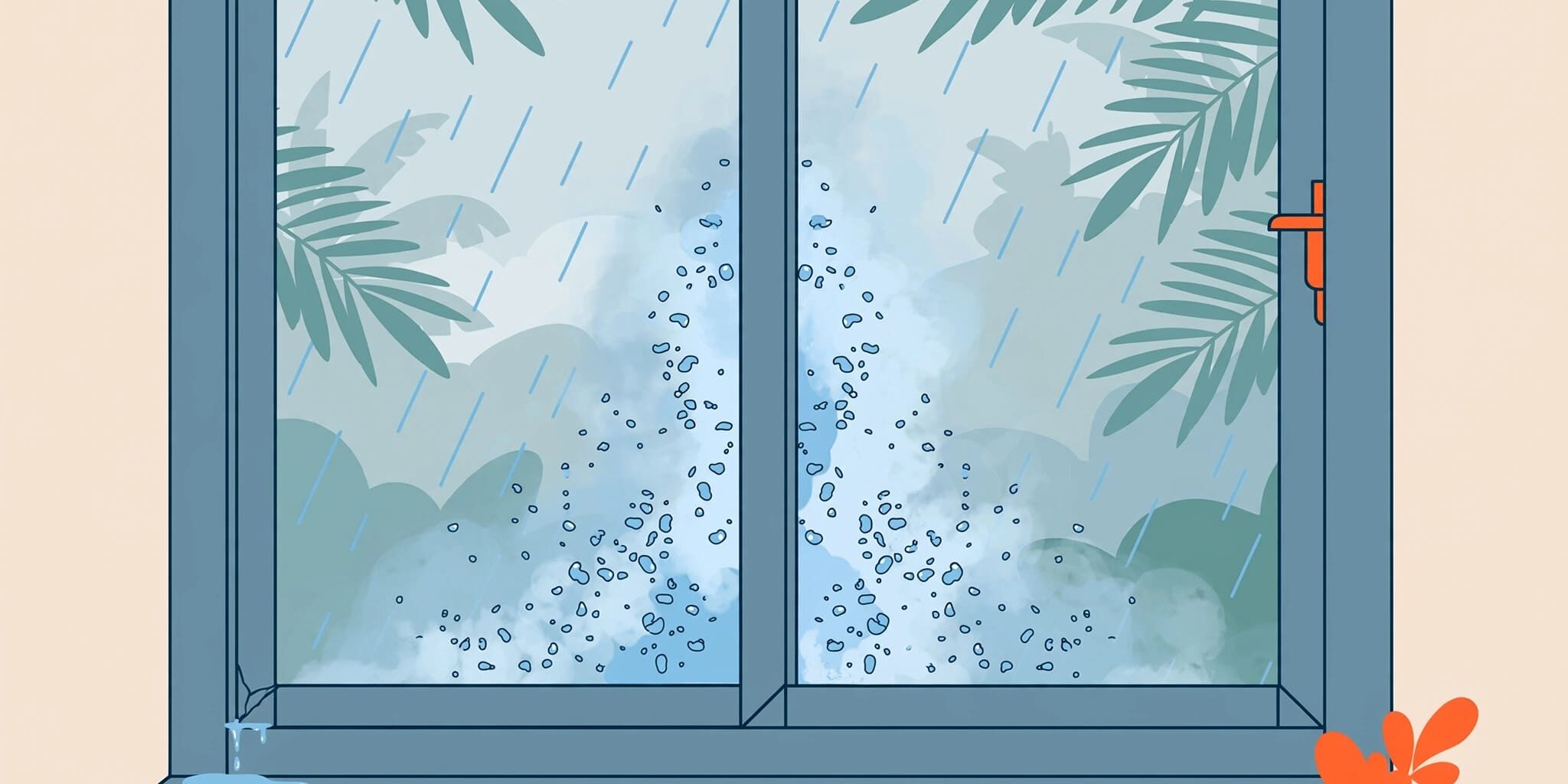
Fog or droplets trapped between the panes of double-pane windows usually point to a failed glass seal, especially when neither side wipes clean. You may need only a replacement glass unit, not an entirely new window.
Florida’s humidity can cause surface condensation, while heat and heavy rain can expose problems around the frame. Where dampness appears matters: fog trapped between panes points to a glass-unit issue. Drafts, water near the opening, or a noticeable change in indoor comfort can point to a frame leak.
Key Takeaways
- Fog between panes is the strongest warning sign, while condensation on accessible glass surfaces can have other causes.
- Replacing the insulated glass unit often preserves a sound sash and frame; defogging doesn’t restore original insulation.
- Basic seal-related repairs and replacement glass have different prices, and a manufacturer’s warranty may cover the glass.
We recommend documenting the affected window before arranging repairs. Clear photographs, its location, and the manufacturer information help explain the problem without unnecessary guesswork.
How to Spot Window Seal Failure
Separate Trapped Fog From Surface Condensation
Start by wiping the room-facing glass with a soft, dry cloth. Then inspect the exterior surface from a safe, ground-level position. Don’t climb or lean outside to reach upper-story windows.
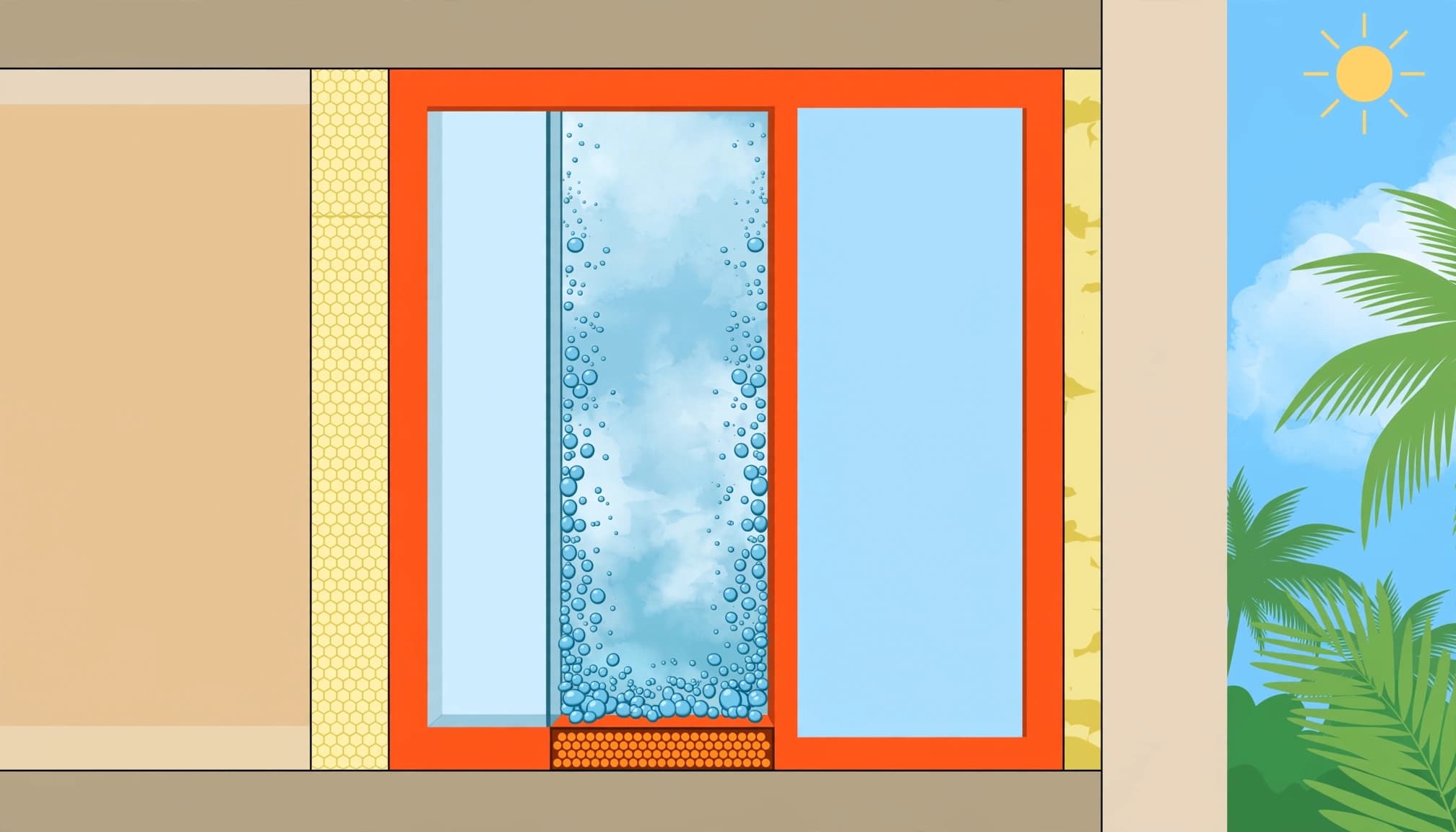
If both accessible surfaces are clean but condensation between panes remains, water vapor likely remains inside the insulated glass unit (IGU). This sealed assembly contains two or more panes separated by a spacer.
Ordinary window condensation often appears on the exterior during humid mornings and usually dries by midday. Interior condensation wipes away and can indicate excess indoor humidity. The EPA’s indoor humidity guidance recommends keeping relative humidity below 60%, ideally between 30% and 50% where practical.
Recognize the Supporting Warning Signs
Persistent droplets, white haze, mineral deposits, or streaks between panes strengthen the diagnosis. Fogging is the most common visible result. Recurring fogging may come and go with temperature changes.
Bowed or distorted glass also deserves attention. However, distortion alone doesn’t prove a broken seal, since some glazing has normal visual variations.
Higher energy bills can accompany reduced window performance, but they aren’t a reliable diagnostic test. Likewise, mold and mildew or wood rot around wooden frames calls for a moisture investigation. Water entering around the frame may involve a separate installation problem.
Why Florida Window Seals Fail
A failed perimeter seal allows moist air into the glass assembly. In gas-filled units, it also allows insulating argon gas or krypton to escape. Over time, trapped water vapor can leave deposits that remain after visible droplets disappear.
Age and Weather Exposure
Age and wear are the most common causes identified in window-damage inspections. Seals deteriorate as materials repeatedly expand and contract with changing temperatures.
Florida’s strong sun adds heat and UV exposure. Thermal expansion stresses the assembly, while UV damage can affect vulnerable sealant and spacer components. Strong wind can also stress window systems, although fog alone doesn’t establish storm damage.
We don’t recommend assigning a cause based only on when someone first noticed the haze.
Product Damage and Installation Problems
Manufacturing defects, shipping damage, and improper installation can shorten a sealed unit’s service life. Damage may begin before the window reaches the home, or installation pressure may strain the assembly.
However, a glass seal differs from the weatherproofing around the wall opening. A draft near the trim, rainwater on the sill, or cracked exterior caulk may involve weatherstripping, flashing, or perimeter sealant.
Adding caulk around the frame won’t repair condensation trapped between panes. The repair needs to address the component that failed.
Which Repair Option Makes Sense?
We recommend preserving sound components when the replacement assembly can deliver the required performance. The condition of the glass, sash, and frame determines how much work the window needs.
Replace the IGU Before the Whole Window
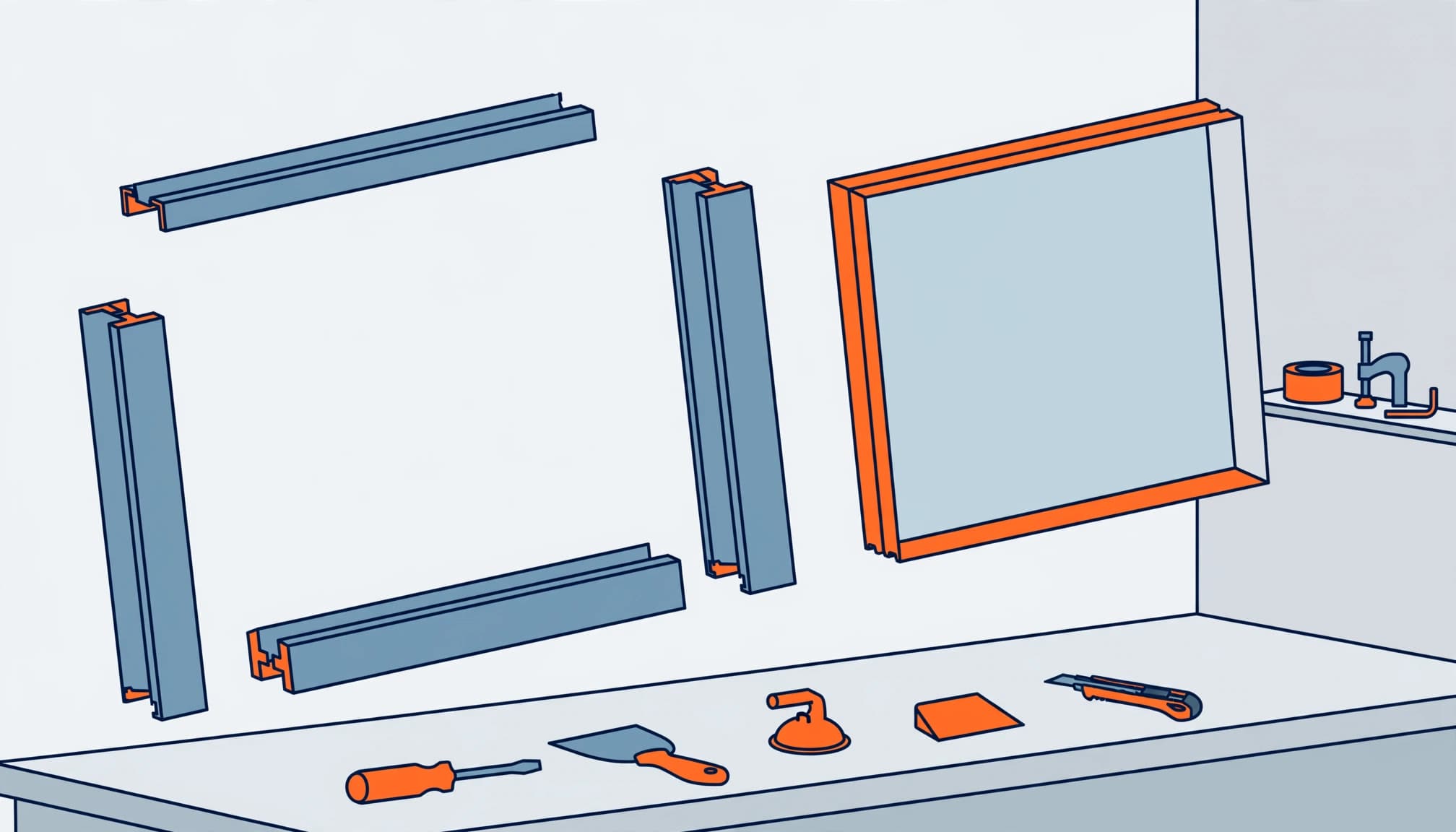
For a failed sealed-glass assembly, replacing the IGU is usually the most effective fix. The window sash, which holds the glass, can often remain.
Double-hung and sliding windows usually have removable sashes, although designs differ. A glass shop can measure the sealed unit in a removable sash, order matching replacement glass, and install it into the existing sash frame.
The replacement needs the correct dimensions, thickness, and glazing specifications. For impact-rated Florida windows, replacement components must preserve the approved assembly’s requirements. Impact resistance and energy performance are separate considerations.
Replace the Sash or Window When Necessary
If the sealed glass unit cannot be removed separately, replacing the entire sash may be the practical option. Extensive frame deterioration, recurring water intrusion, or significant operating problems may justify full window replacement.
A defogging kit or drilled-hole service may remove trapped water and improve visibility, but it doesn’t restore the window’s original energy efficiency.
Clearer glass after defogging doesn’t mean the window has regained its original energy efficiency.
We recommend professional glass handling, especially for large units, upper floors, and impact-rated assemblies. Removing a sash without suitable protection can also leave the home unsecured or exposed to rain.
What Does Window Seal Repair Cost?
The repair price depends on what the work includes. Basic seal work and replacement insulated glass aren’t equivalent purchases.
These figures provide starting points, not a complete installed-window budget.
| Work Type | Starting Cost Reference | Important Limitation |
|---|---|---|
| Basic broken-seal repair | $40 to $120 per seal | Scope depends on window type, access, and damage. |
| Replacement sealed glass unit | $150 or more | Low-E glass, argon fill, and installation add cost. |
The lower range shouldn’t be treated as the total price for replacing a failed glass assembly. Exterior resealing or accessible-joint seal replacement covers different work than manufacturing and installing a new sealed glass unit.
Window size, specialty glass, difficult access, and surrounding damage affect the final cost. A proposal should separate glass, labor, removal, and any frame repairs so you can compare equivalent work.
We also recommend distinguishing exterior resealing from between-pane repairs in the written scope. Otherwise, a low-priced “reseal” may address a different problem than the fog you want removed.
When a Window Warranty May Help
Many modern windows carry warranties lasting 10 to 20 years that may cover seal failure. Eligible claims can provide replacement glass at no charge, although product coverage doesn’t automatically include labor, shipping, or surrounding finish work.
We recommend gathering the purchase paperwork, manufacturer label, installation date, and photographs before submitting a claim. Include the room, window location, and whether the haze remains after cleaning both surfaces.
Manufacturer warranties, builder warranties, and homeowners insurance address different responsibilities. A product defect, installation issue, routine wear, and storm damage shouldn’t be treated as the same claim.
For a newly built home, document suspected installation defects through the written warranty process before paying for unrelated repair work. Save emails and repair records alongside the original window specifications. Renters should report the issue to the property owner rather than authorize changes to installed windows.
Protect Window Performance After Installation
Routine care won’t reverse a failed seal in an insulated glass unit, but it can reduce avoidable moisture problems. Keep tracks and manufacturer-designed drainage openings clear, and clean frames without damaging their finishes or sealants. Don’t cover drainage openings with added caulk.
Inspect visible joints after heavy rain. Stained drywall, soft trim, peeling finishes, or damp sills deserve attention because they may indicate water entering beyond the glass assembly.
The EPA’s home moisture-control recommendations support addressing moisture sources rather than treating condensation as a cleaning problem alone. In Florida, dependable cooling and humidity control also matter, including during extended vacancies.
For new construction, retain window product approvals, installation records, and warranty documents with the home records. Compare solar heat gain coefficient (SHGC) and U-factor alongside impact protection when selecting windows.
If you’re planning a new home in Lee, Charlotte, or Highlands County, you can discuss your construction project with our team before finalizing selections.
Frequently Asked Questions
Does a Foggy Double-Pane Window Still Insulate?
Yes, the remaining glass and airspace still provide some insulation, but the original performance is compromised. The U.S. Department of Energy’s energy-efficient window guide explains how multiple panes and inert gas fills improve resistance to heat flow.
We don’t recommend assuming one foggy window explains an entire increase in cooling costs. HVAC performance, duct leakage, and indoor humidity also affect comfort and bills.
Can a Broken Window Seal Fix Itself?
No. A failed seal doesn’t repair itself, even if fogging clears temporarily in warmer weather. Dampness can return as conditions change, and deposits may become more visible over time. A clear afternoon therefore doesn’t establish that the assembly is sound.
Is Fog Between Panes an Emergency?
Fog alone usually doesn’t require emergency replacement. However, cracked glass, a loose sash, active rainwater intrusion, or deteriorated framing needs prompt professional attention.
There isn’t a dependable progression from trapped fog to frame damage. Water around the opening needs its own diagnosis rather than an assumption that the glass seal caused it.
Repair the Right Part of the Window
The clearest sign of window seal failure is moisture you can’t remove from either glass surface. Once you establish that location, a replacement glass unit often offers a practical repair without discarding a sound window.
We recommend documenting the condition and matching the repair scope to the actual defect. That approach protects your budget while keeping separate water-entry or installation problems from going unresolved.